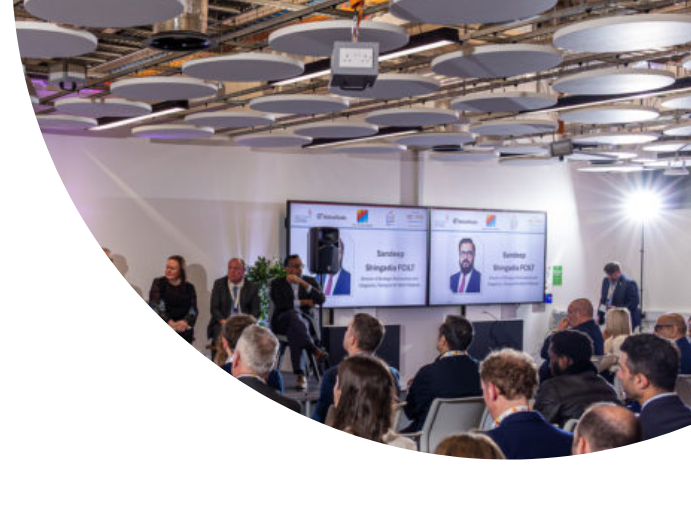
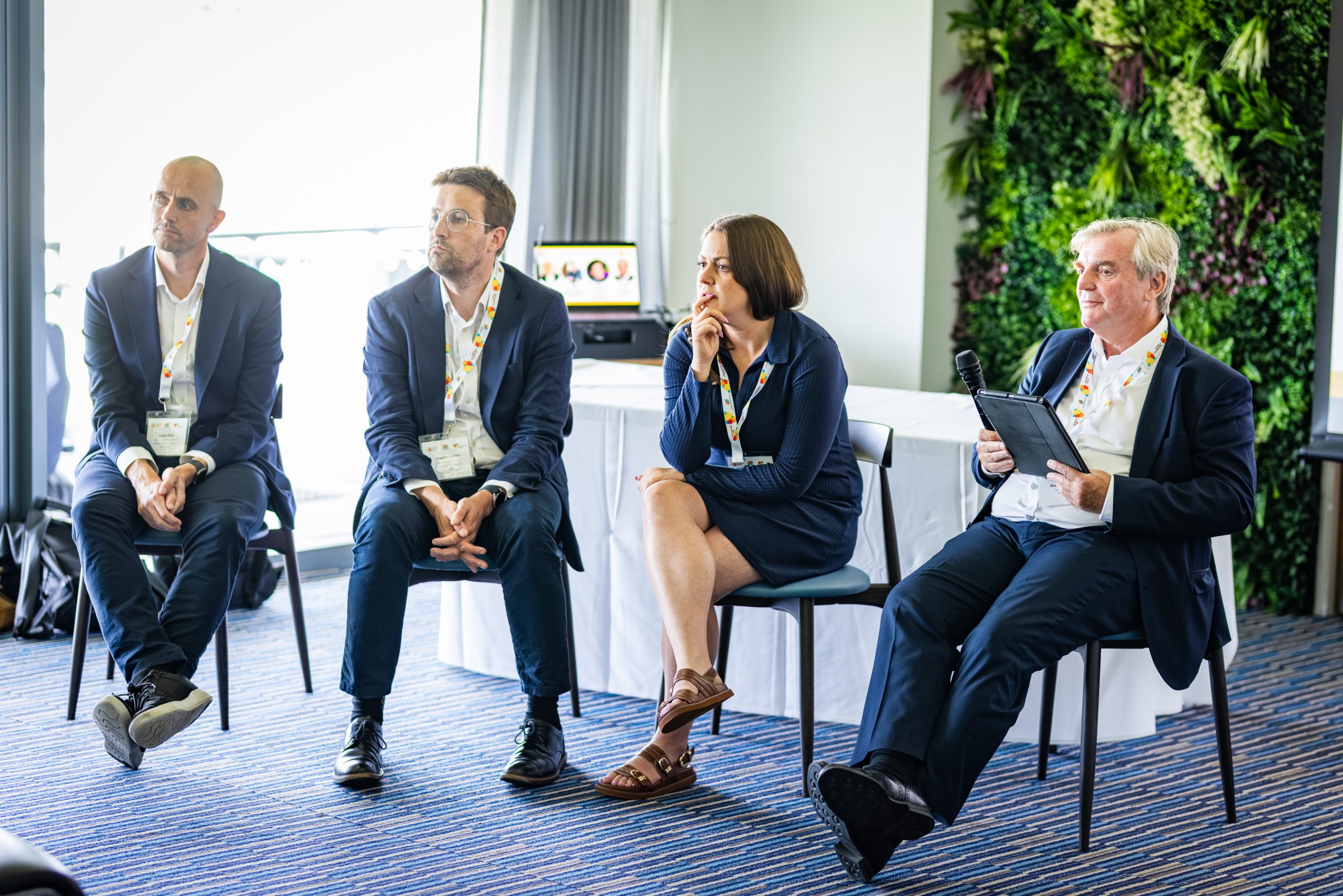
In one of the final sessions of CFP26, this discussion explored one of the UK’s biggest economic challenges: how regional governments can secure the long-term funding and financial powers needed to drive sustainable growth. Bringing together perspectives from local government, infrastructure, investment and development, the session centred on moving beyond short-term grant funding towards a more mature, devolved funding model capable of attracting private investment and delivering transformational projects.
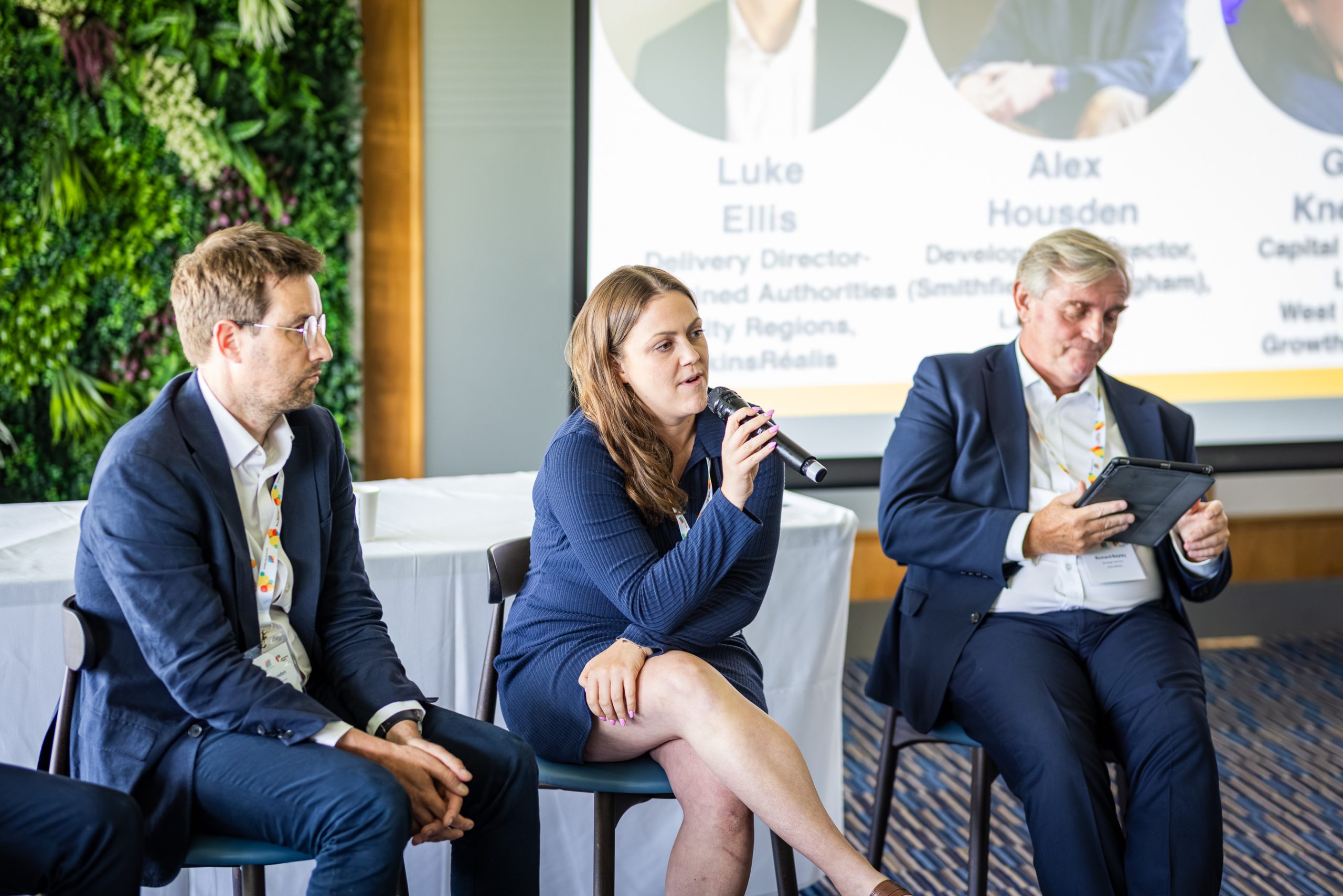
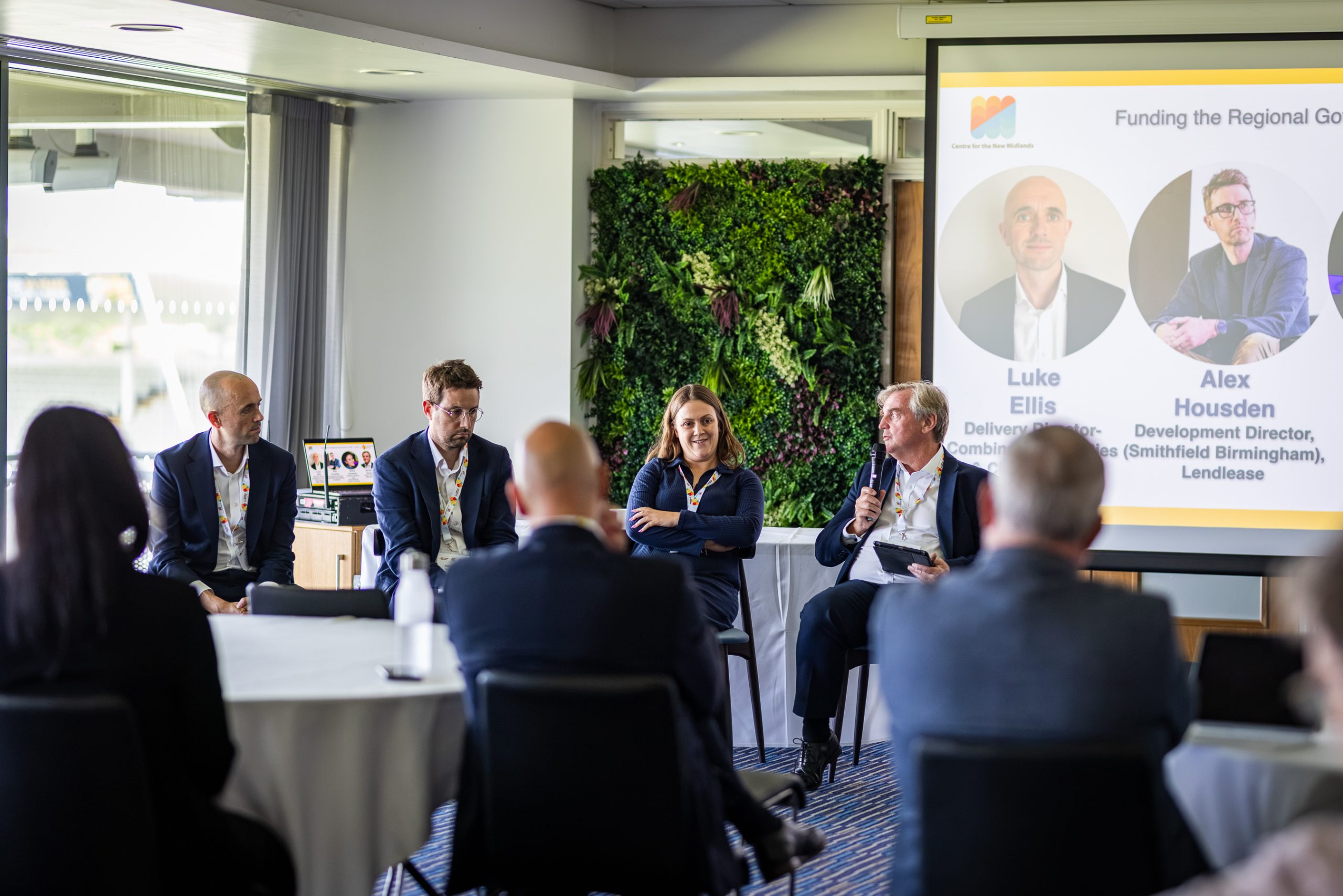
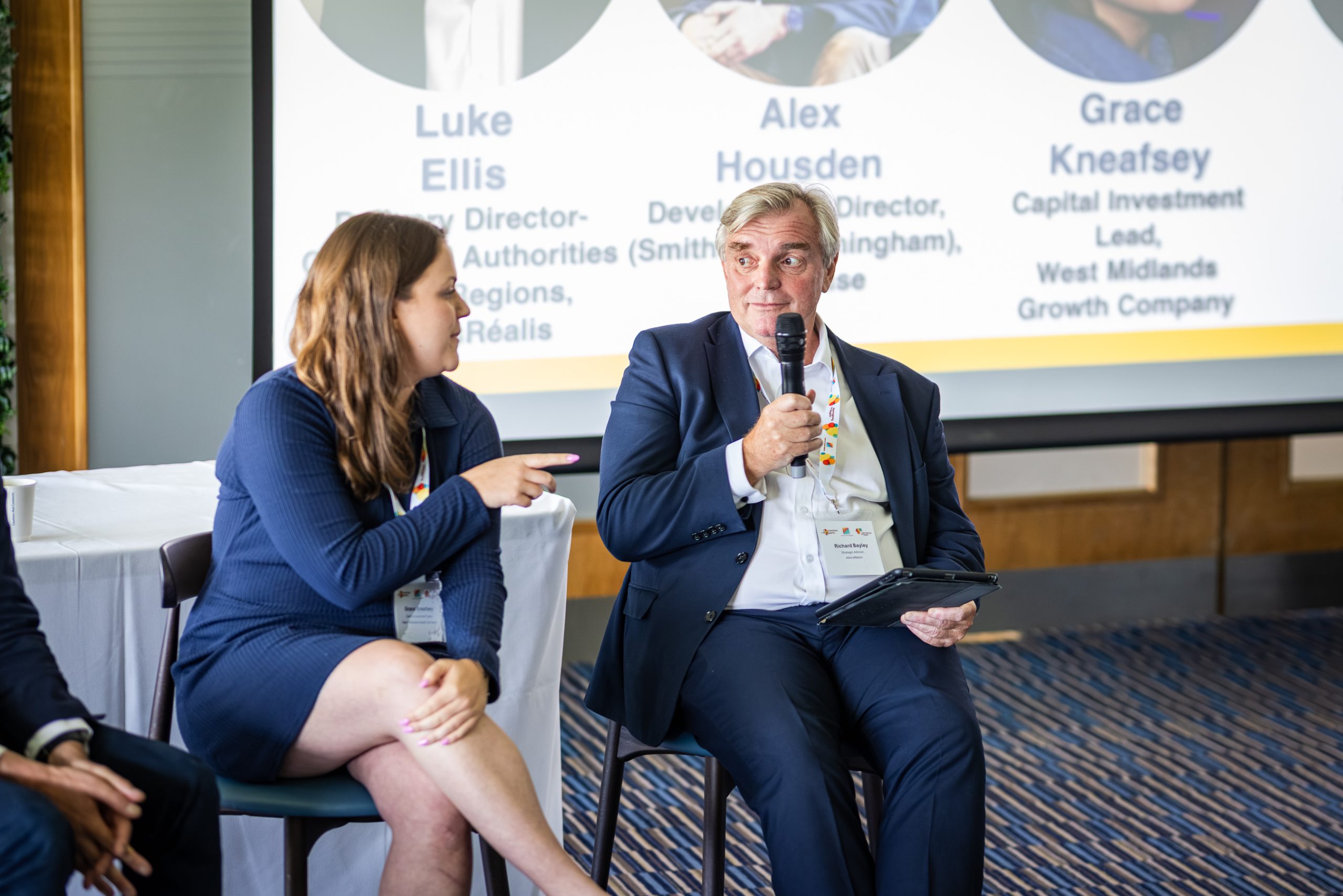
The session was led by Luke Ellis (Delivery Director-Combined Authorities & City Regions, AtkinsRéalis), Grace Kneafsey (Capital Investment Lead, West Midlands Growth Company), Richard Bayley (Senior Advisor, AtkinsRéalis) and Alex Housden (Development Director, Smithfield Birmingham, Lendlease)
Devolution must be backed by financial certainty
A recurring theme throughout the discussion was that meaningful devolution cannot succeed without long-term funding certainty. While recent integrated settlements for Combined Authorities were welcomed as a significant step forward, panellists argued that four-year funding horizons remain insufficient for planning infrastructure that often takes decades to deliver.
Compared with countries such as Germany, Switzerland and Canada, the UK remains one of Europe’s most centralised nations. The panel suggested that greater fiscal devolution—including longer-term retention of local tax revenues and more regional control over investment decisions—would allow Combined Authorities to move from bidding for government funding to proactively shaping long-term economic growth.
Confidence creates investment
The discussion repeatedly returned to the relationship between certainty and private investment. Developers, investors and pension funds are far more willing to commit capital when there is a clear, consistent pipeline of projects supported by stable public investment.
Rather than focusing solely on individual schemes, panellists advocated viewing infrastructure as part of a long-term regional investment programme. Stable funding gives the private sector confidence to absorb early-stage development risk, while allowing regions to build the delivery pipelines needed to attract institutional investors.
Examples from international markets—including Canadian pension fund investment in transport infrastructure and Switzerland’s rolling railway investment programme—were highlighted as models demonstrating how consistent investment can generate strong long-term returns while avoiding the stop-start nature of UK infrastructure delivery.
Telling the wider story of infrastructure
The panel argued that public debate too often focuses on cost overruns rather than long-term economic value.
Using Birmingham’s Smithfield regeneration as an example, speakers highlighted how public investment can unlock many times its original value through private investment, place-making, job creation and wider economic confidence. Infrastructure should therefore be judged not simply on construction costs, but on its ability to generate economic activity, increase land values and stimulate further regeneration across entire cities and regions.
This broader narrative, panellists suggested, is essential for building public and political support for long-term investment.
Blended finance is becoming increasingly important
As development viability becomes more challenging, the panel discussed the growing role of blended finance models that combine public funding, low-cost lending, pension fund investment and private capital.
Initiatives such as the West Midlands Futures Fund were highlighted as examples of how Combined Authorities are beginning to assemble larger pools of capital by bringing together regional pension funds, public finance institutions and private investors.
Rather than relying solely on government grants, future projects are increasingly expected to combine multiple funding sources, allowing regions to continue investing despite constrained public finances.
Moving beyond fragmented government
Another key challenge identified was the fragmented nature of decision-making across central government departments.
Developers and local authorities often have to engage separately with multiple government departments for planning, transport, innovation, skills and funding, creating duplication and slowing delivery. Greater devolution, combined with stronger regional capability, was seen as an opportunity to simplify decision-making by allowing more investment decisions to be made closer to the communities they affect.
Building capability alongside devolved powers
The panel acknowledged that greater fiscal freedom must be matched by stronger regional institutions.
Trailblazer Combined Authorities such as Greater Manchester and the West Midlands are already demonstrating increasing capability, but panellists argued that expanding devolution nationally will require continued investment in local expertise, governance and delivery capacity. Building confidence within central government that regions can successfully manage larger funding settlements will be critical to unlocking further fiscal powers.
Growth must benefit local communities
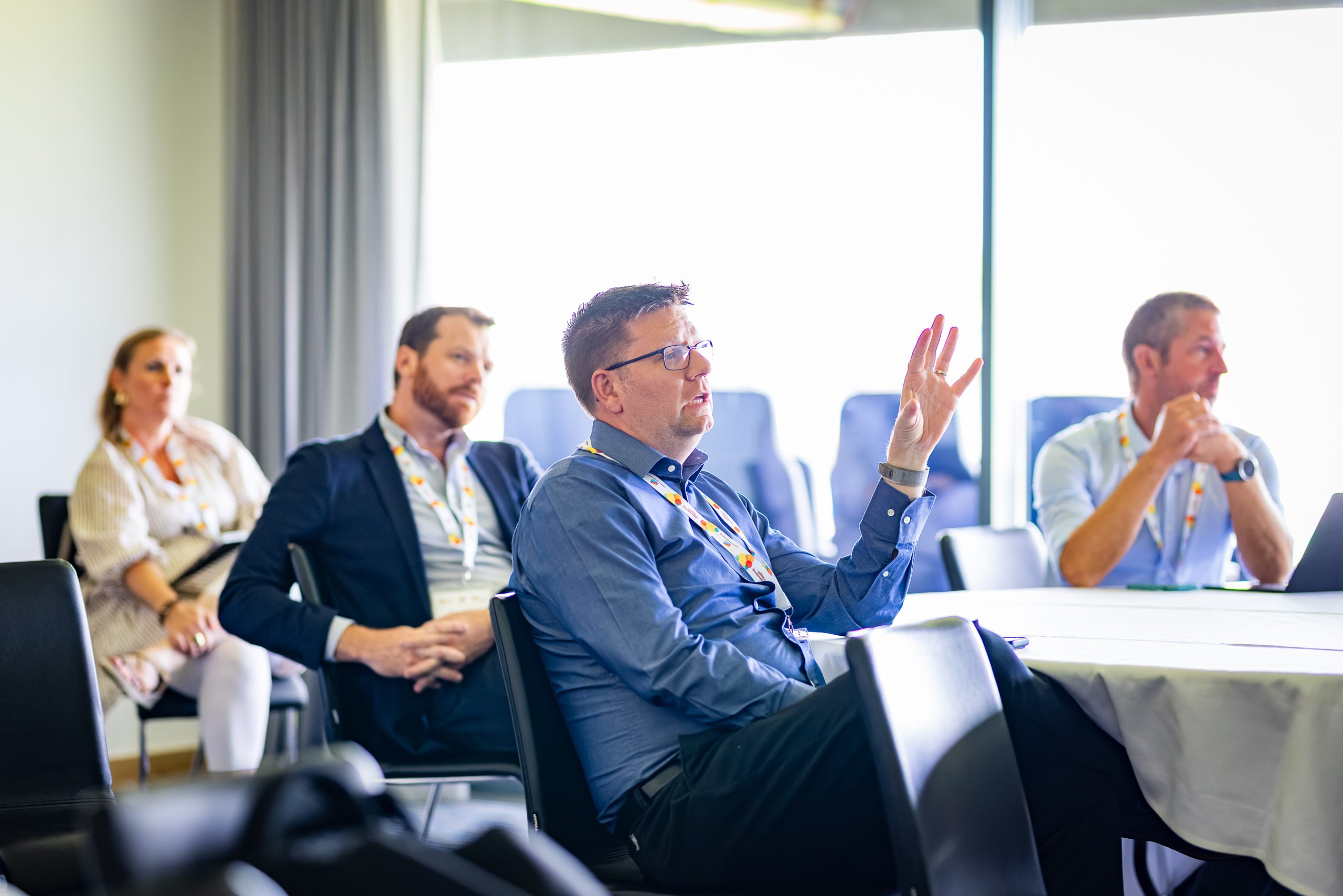
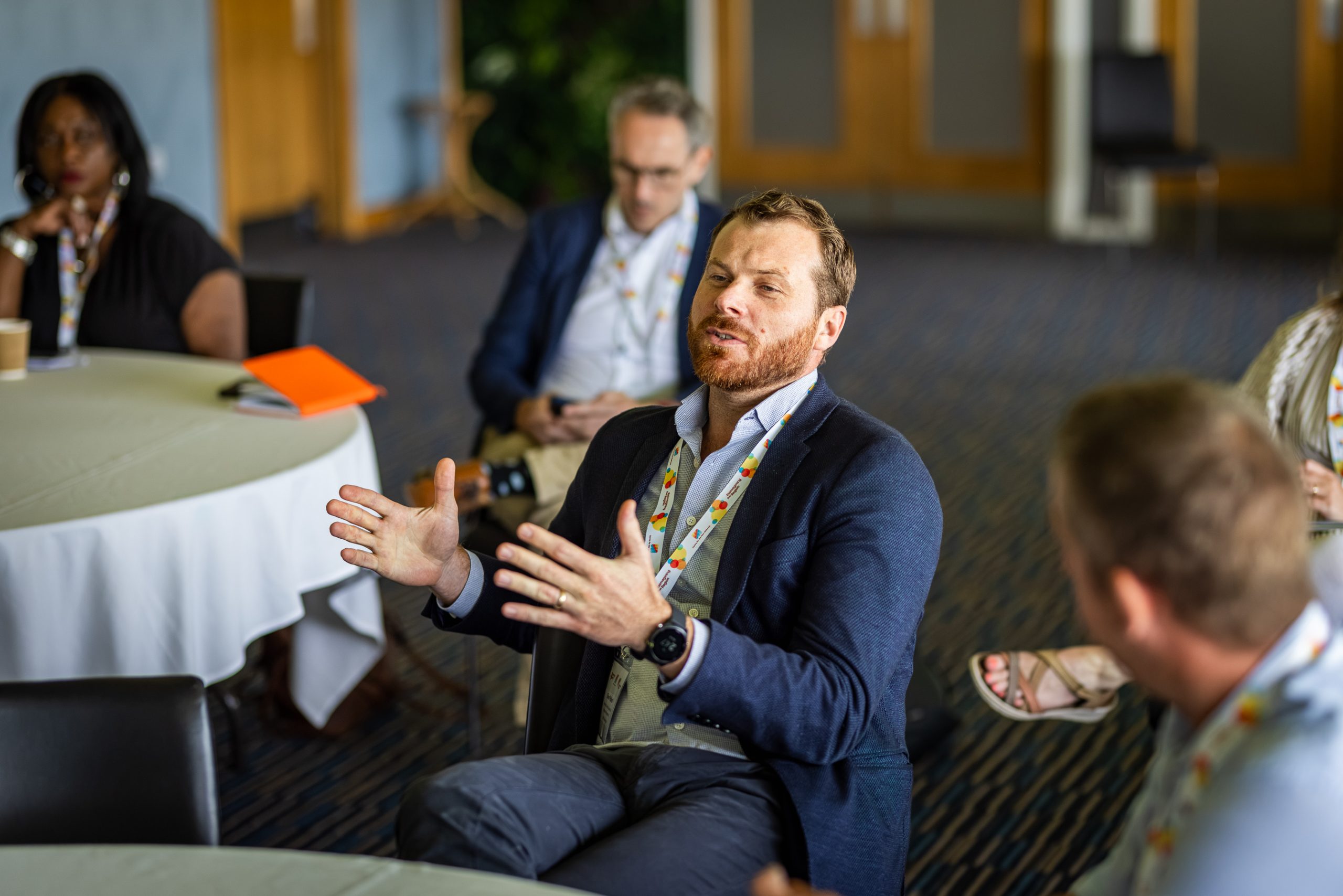
Audience contributions broadened the discussion beyond funding alone, questioning how economic growth can genuinely improve outcomes for local people.
Panellists recognised that successful regional investment should deliver “good growth”—growth that creates opportunities across communities, addresses inequality and generates lasting social value alongside economic returns. Fiscal devolution should therefore be accompanied by mechanisms that ensure prosperity is shared across regions rather than widening disparities.
A shared call for long-term thinking
Closing the session, panellists agreed that the UK’s approach to regional funding is evolving but remains at an early stage. Their collective message was clear: sustained economic growth requires confidence, confidence requires certainty, and certainty depends on stable, long-term funding arrangements supported by greater fiscal devolution.
Rather than continuing to rely on competitive bidding for short-term grants, regions need predictable investment pipelines, greater local control over revenues and funding mechanisms that encourage long-term partnerships between government, investors and the private sector. Only then, the panel concluded, can regional governments unlock the scale of investment needed to transform places, retain skills and deliver lasting prosperity.
Connections for Prosperity 2026 was sponsored by AtkinsRéalis, E.ON, Unity Trust Bank and West Midlands Housing Association Partnership.
If you and your organisation are not yet members of our Reimagining the Region network, click here to learn more about getting involved.
Our network is growing each and every month – make sure you are part of how we shape an even ‘better’ region for all.
To learn more about getting involved or to join our network, please contact Chris Smith (Founder and CEO, Centre for the New Midlands CIC) by emailing chris@thenewmidlands.org.uk