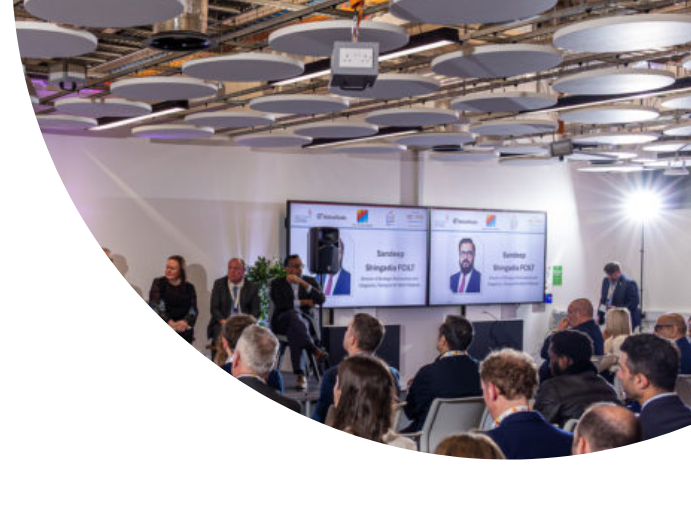
I’ve just spent a couple of days immersed in industry discussions at UK Rail, and one thing is clear: we are witnessing a fundamental reset in how rail is planned, delivered and governed in the UK.
This is not incremental change. It is a structural shift, one that is redefining the role of the public sector, reshaping expectations of the supply chain, and changing what success looks like across the industry.
A few reflections stood out.
Devolution is now the main event
Devolution has long sat on the periphery of rail strategy. That is no longer the case.
Combined Authorities and Local Authorities are increasingly at the centre of decision-making, not just as stakeholders, but as commissioners, place-shapers and, in many cases, clients in their own right.
This is transforming the traditional “single client” model into a more complex, multi-client ecosystem. Investment decisions are no longer driven solely by national priorities, but by local growth ambitions, mobility needs and placemaking strategies.
For the supply chain, this demands earlier engagement and a far stronger understanding of place. Delivering infrastructure is no longer enough, value is increasingly defined by the outcomes it enables for communities and regions.
Rail’s role in inclusive growth is under pressure
A consistent theme across discussions was the role of rail in supporting or potentially constraining inclusive growth.
There is a growing concern that fare levels risk pricing people out of opportunity. While bus networks are seeing more direct intervention to improve affordability, rail risks falling out of step with wider transport policy.
This raises important questions about rail’s role within an increasingly integrated transport system. Passengers experience journeys, not modes and if rail is not aligned with that reality, it risks becoming less relevant.
To remain central to future mobility, rail must reconnect with its role in enabling access to jobs, education and services and ensure it supports, rather than limits, inclusive growth.
Rail Reform is shifting accountability and culture
Rail reform and the direction of Great British Railways signal a clear move towards greater local decision-making, underpinned by national coordination.
Crucially, this is not about fragmentation, but about creating a more aligned, system-wide approach.
One of the most significant changes is cultural. The historic model often shaped by contractual silos and “blame and claim” behaviours is giving way to a focus on collaboration and shared outcomes.
Nowhere is this more visible than in how disruption is being approached. The emphasis is shifting from “who is responsible?” to “how do we keep passengers moving?”
For clients and suppliers alike, this will require new approaches to governance, incentives and risk allocation all aligned to whole-system performance rather than individual accountabilities.
Innovation is accelerating – but with trade-offs
There is no shortage of ambition when it comes to innovation. From Very Light Rail to autonomous systems and digital technologies, the sector is actively exploring solutions to meet future demand.
However, scaling innovation brings complexity.
New technologies introduce additional interfaces, increase integration challenges and can drive up costs. They also often depend on regulatory change, which can be slower than the pace of innovation itself.
The challenge will be to ensure innovation is purposeful, aligned to clear outcomes and deliverable at scale. The focus must be not just on what can be built, but on what can be sustained and deliver long-term value.
Who are we building for?
Perhaps the most important question is also the most fundamental: who are we building for?
Futureproofing infrastructure is no longer just about capacity and performance. It is about responding to changing expectations.
The next generation expects transport that is sustainable, digitally enabled and seamlessly integrated. Delivering this requires collaboration beyond rail across transport modes, sectors and disciplines.
Rail is no longer operating in isolation. It is part of a broader system that shapes how people live, work and move.
My takeaway
Rail is no longer just a transport system; it is a Platform;
- A platform for economic growth, enabling investment and development.
- A platform for social mobility, connecting people to opportunity.
- A platform for place-based outcomes, shaping the future of towns and cities.
For those of us working across the sector, particularly in the supply chain, this is both a challenge and an opportunity. It challenges us to think beyond projects and contracts, but it also allows us to play a more meaningful role in delivering outcomes that truly matter to society.
This is a personal blog post. Any opinions, findings, and conclusion or recommendations expressed in this article are those of the authors and do not necessarily reflect the view of the Centre for the New Midlands or any of our associated organisations/individuals.
ABOUT OUR AUTHOR:
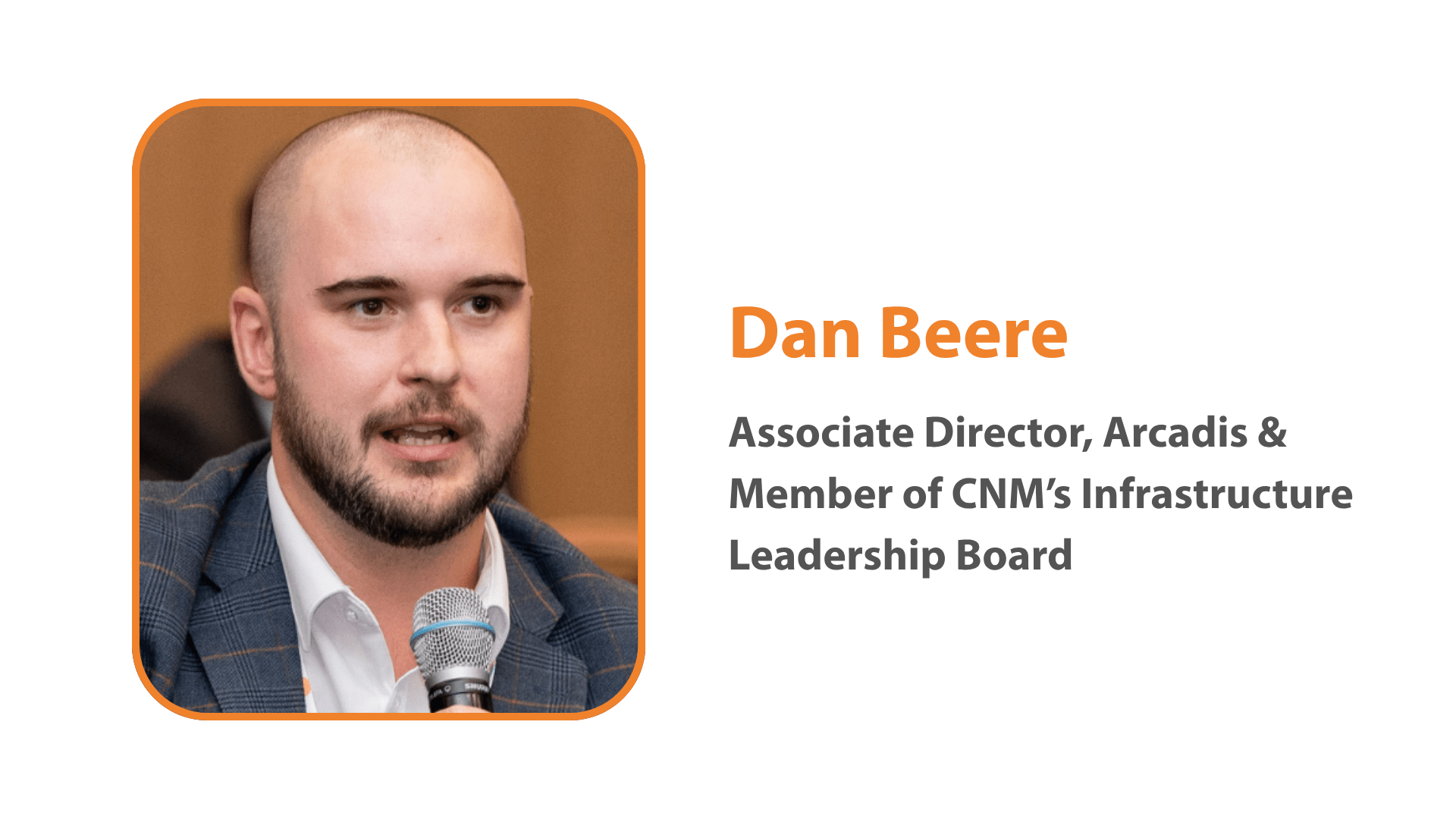
Dan Beere is an Associate Director at Arcadis with a proven track record supporting major infrastructure projects across the West Midlands, including HS2, Midland Metro Alliance, and Coventry Very Light Rail.
Dan is passionate about tackling the skills gap in the construction industry and actively promotes opportunities to bring young people into the sector and support their development. He is committed to driving innovation, collaboration, and sustainable growth through effective cost management and workforce development.