
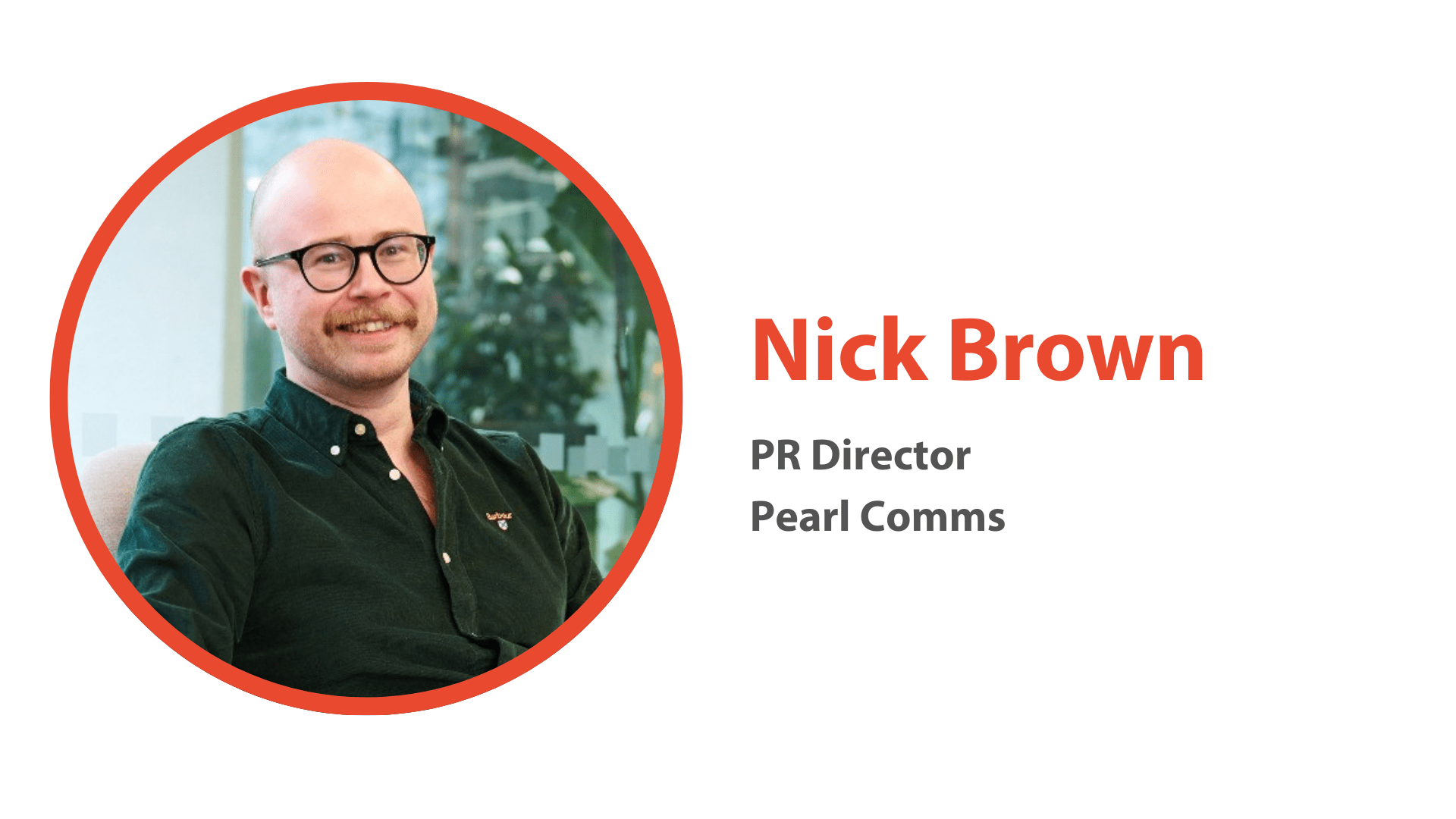
Ahead of our roundtable (being hosted at Fazenda Birmingham on 5th March), Nick Brown (PR Director, Pearl Comms) shares some of his insights into the crucial role that an effective communications strategy plays when data quality problems threaten to derail digital projects, particularly in the public sector. It can often be the difference between reputational damage and restored trust.
This is just one of the themes that the Centre for the New Midlands and our partners will be exploring at this Chatham House style event. Look out for our soon to be published summary of the discussions. With special thanks to Pearl Comms and Entec Si for sponsoring the event.
Across all organisations and sectors, data is shaping how we plan, implement and evaluate our work, and how we undergo major digital transformation projects. However, if the quality of data falls short of the mark, the implications can be severe for both the project’s progress, and wider stakeholder networks.
Public sector work – by its very nature – involves engaging with multiple stakeholder audiences, from the general public right through to key decision makers. And when data quality issues throw up roadblocks in the way of project progress, the importance of clear communications rises exponentially.
So, what should your communications strategy contain in order to smooth both project delivery, and the resolution of key issues?
Know your channels
We have a wealth of channels available to us for communications nowadays and while it might be easy to think that everyone is ‘online’ and able to access information quickly for themselves in the digital sphere, this simply isn’t the case. This is certainly true for public sector communicators, who need to convey messages across varying demographics, even assuming that everyone has access to an email address is a risk.
Early on in any project, you need to have your channels and tactics mapped. This ensures that should there be an urgent need to issue critical messaging – such as in the event of data quality issues – there are plans in place to implement at the drop of a hat. In addition to digital channels, leveraging the media and face to face touchpoints can be vital. Often, your front line staff members will become your biggest communications asset.
Timing transparency
As much as we like to avoid it, timings do slip. Uncovering issues with data as part of a project can result in launches being delayed, services being unavailable or other areas which could impact the general public.
Transparency around resolution times is crucial. It’s an unwise move to communicate firm dates when timescales are uncertain, especially if you’re unsure of the extent and severity of any issues caused by data issues. A better approach is to ensure regular, accessible updates about progress are communicated to all project stakeholders. Once a firm resolution timescale has been set, that’s the time to be more certain about timeframes. Missing deadlines can have serious reputational consequences for organisations of all shapes and sizes.
Map your stakeholders
Stakeholder mapping is one of the most important parts of any communications planning process. Failing to understand who you’re going to be talking to, how they like to receive information and what level of detail they need, is a risk.
If you find yourself needing to cascade urgent messaging, in the event of data quality issues, then the last thing you want to be doing is compiling your stakeholder network on the fly, or worse still, find out later that you forgot to include a crucial audience.
Stay honest
Along with transparency, staying honest is one of the key principles of good communications. This need for honestly becomes increasingly important in the event of data-related issues. Alongside keeping audiences informed of what’s gone wrong and when it’s going to be resolved, if personal information has been leaked or compromised, you will need to communicate proactively and thoroughly to all affected parties, on top of the Information Commissioner’s Office requirements.
People will want to know what’s happened, what the impact will be and most importantly, why. Honesty is always the best policy in these instances.
Issues with data quality can arise at any time, and often without warning. Alongside teams working hard to rectify any issues and right the course of project thrown off track, communications is the second-most important tool in your arsenal – it’s the key conduit between the project and your stakeholder audiences.
This is a personal blog post. Any opinions, findings, and conclusion or recommendations expressed in this article are those of the authors and do not necessarily reflect the view of the Centre for the New Midlands or any of our associated organisations/individuals.
ABOUT OUR AUTHOR:
“Nick is a true Pearl Comms OG and has been a founding member since the start.
Adaptable, creative and results-driven, Nick delivers creative communications campaigns and strategies which go above and beyond, every time.
With over nine years in the game, Nick is never one to shy away from getting involved. From getting to the bottom of a client’s purpose, understanding what makes them tick, he always makes sure that our PR connects businesses with the audiences that matter most.”