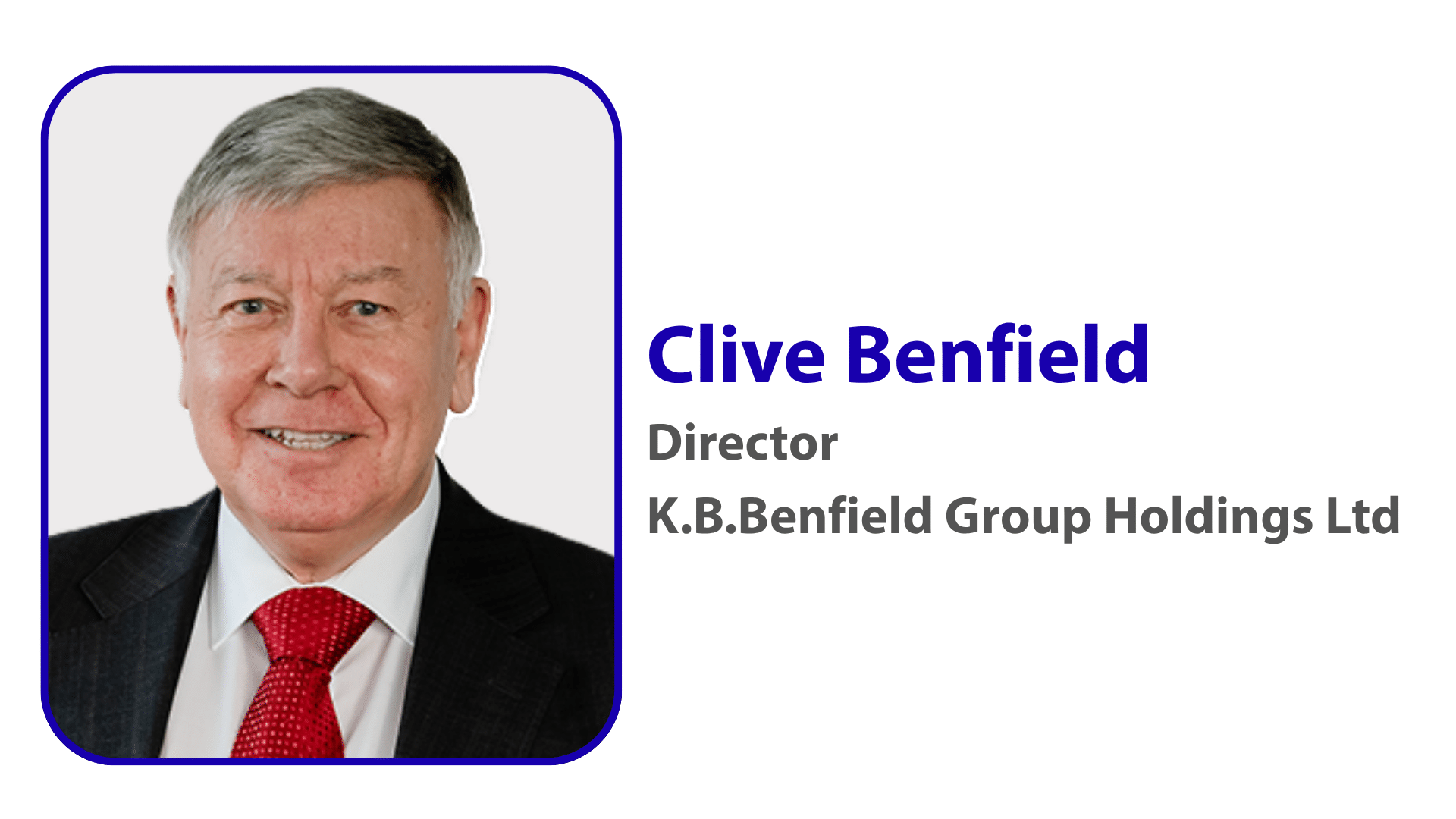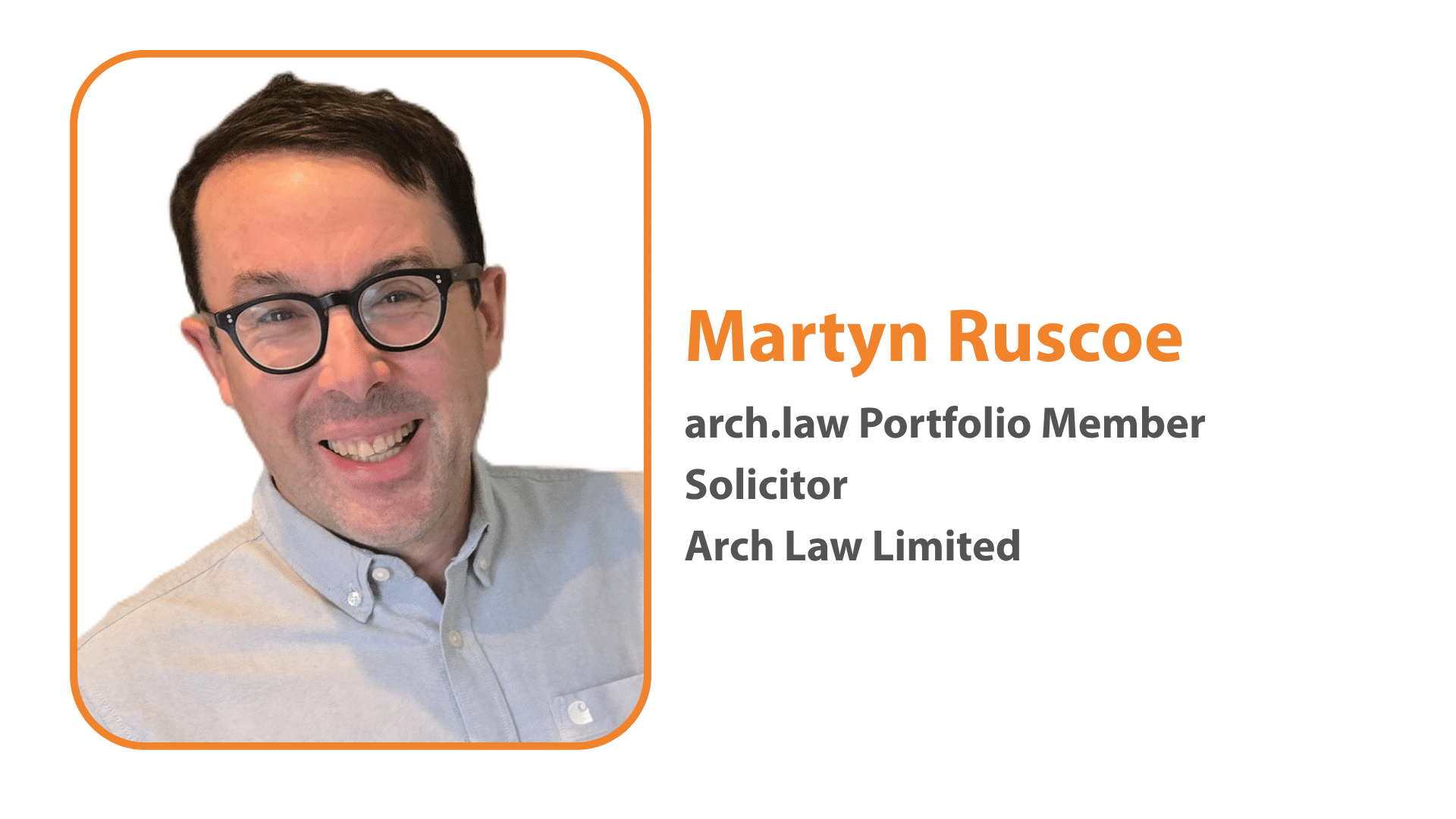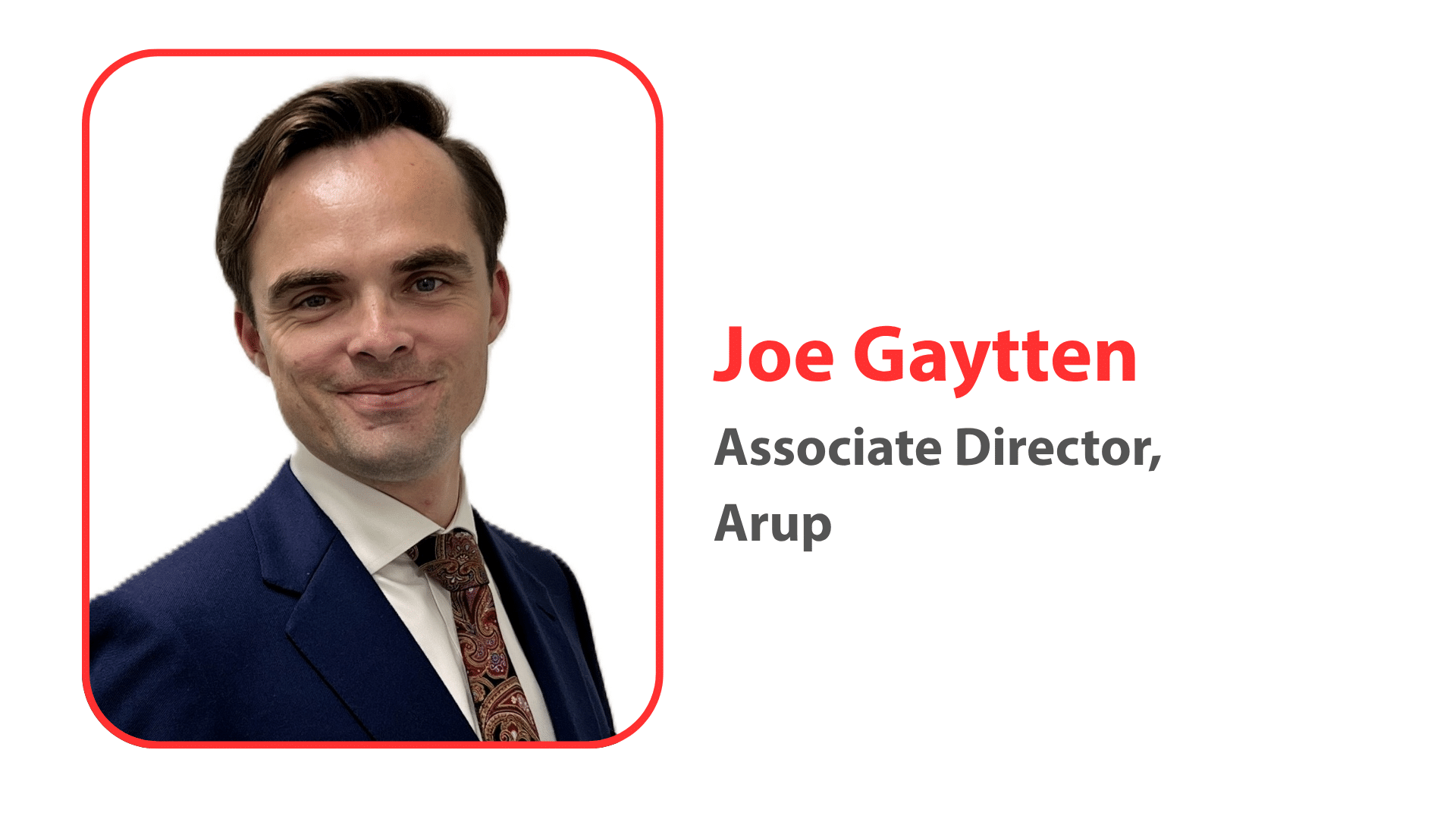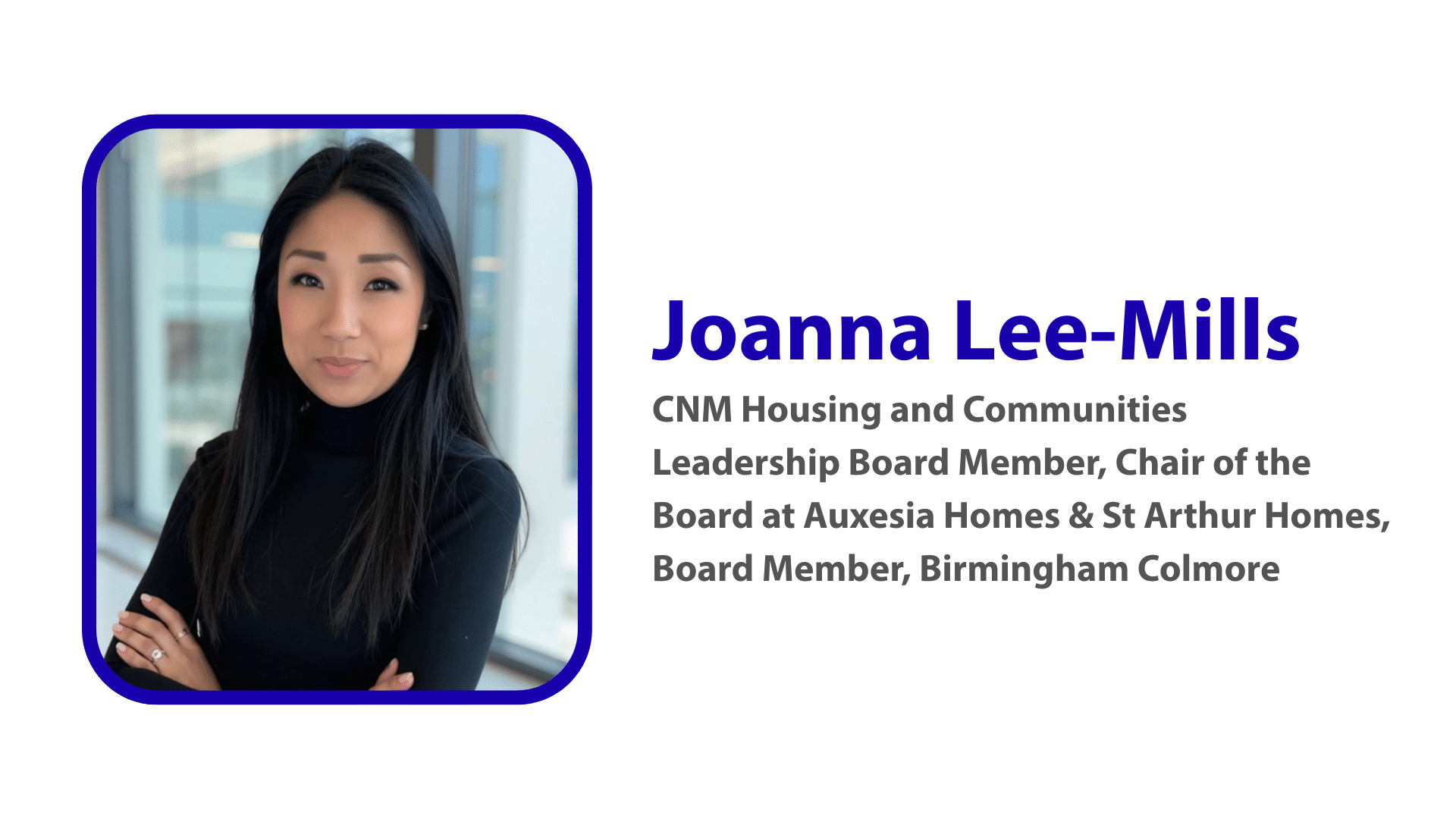
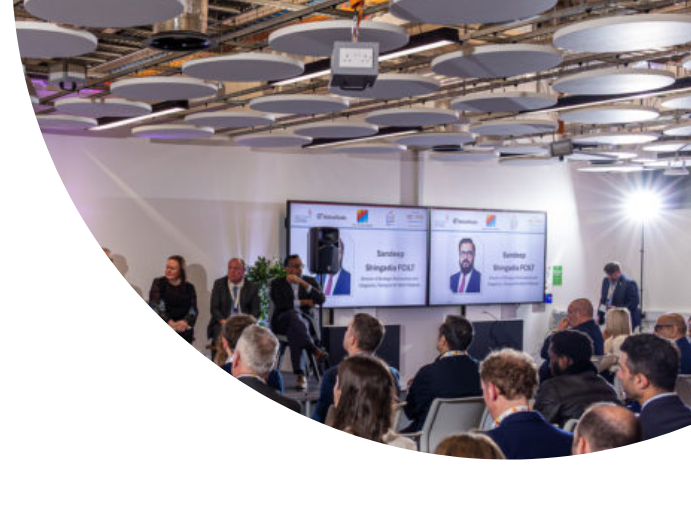
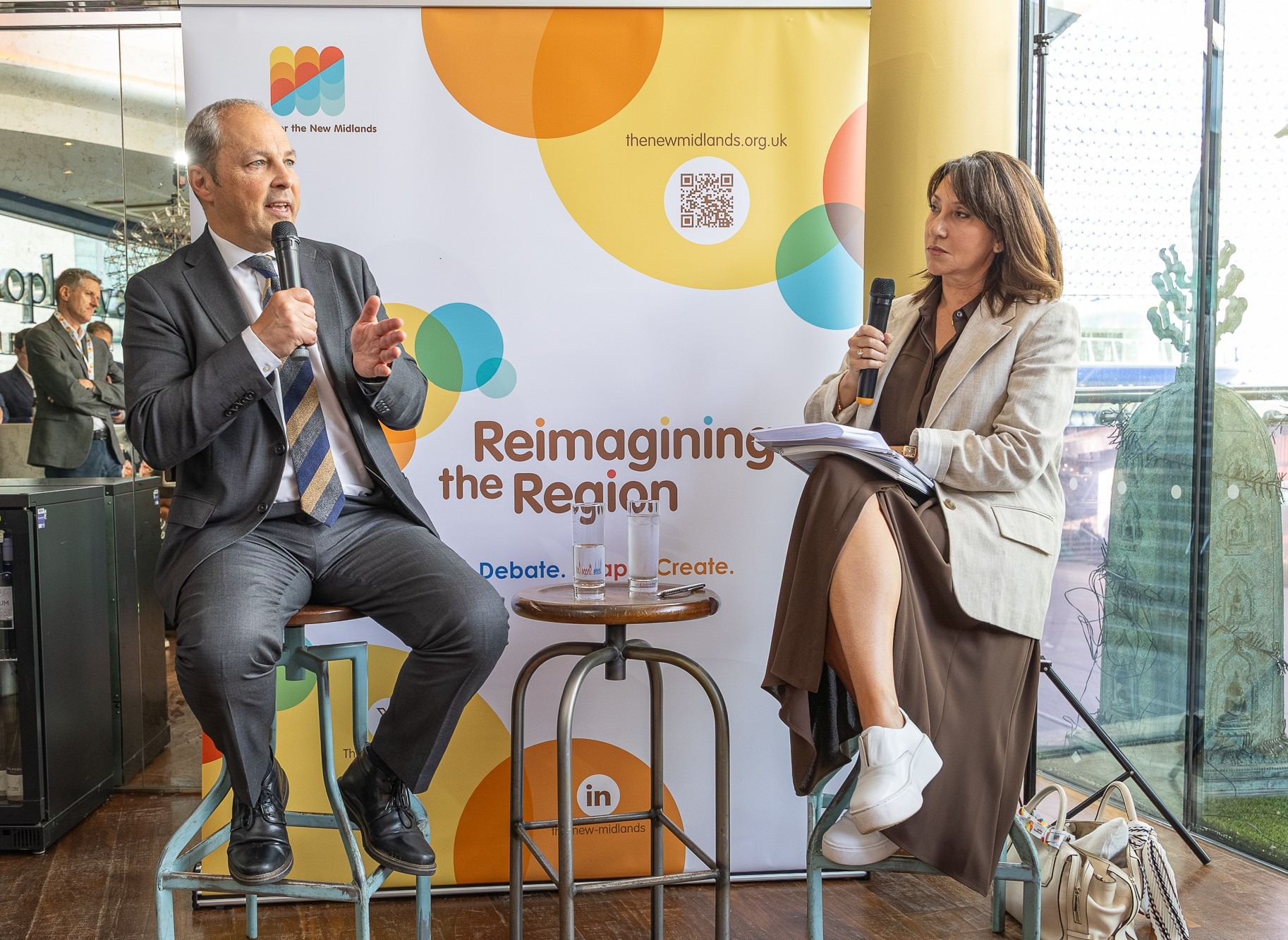
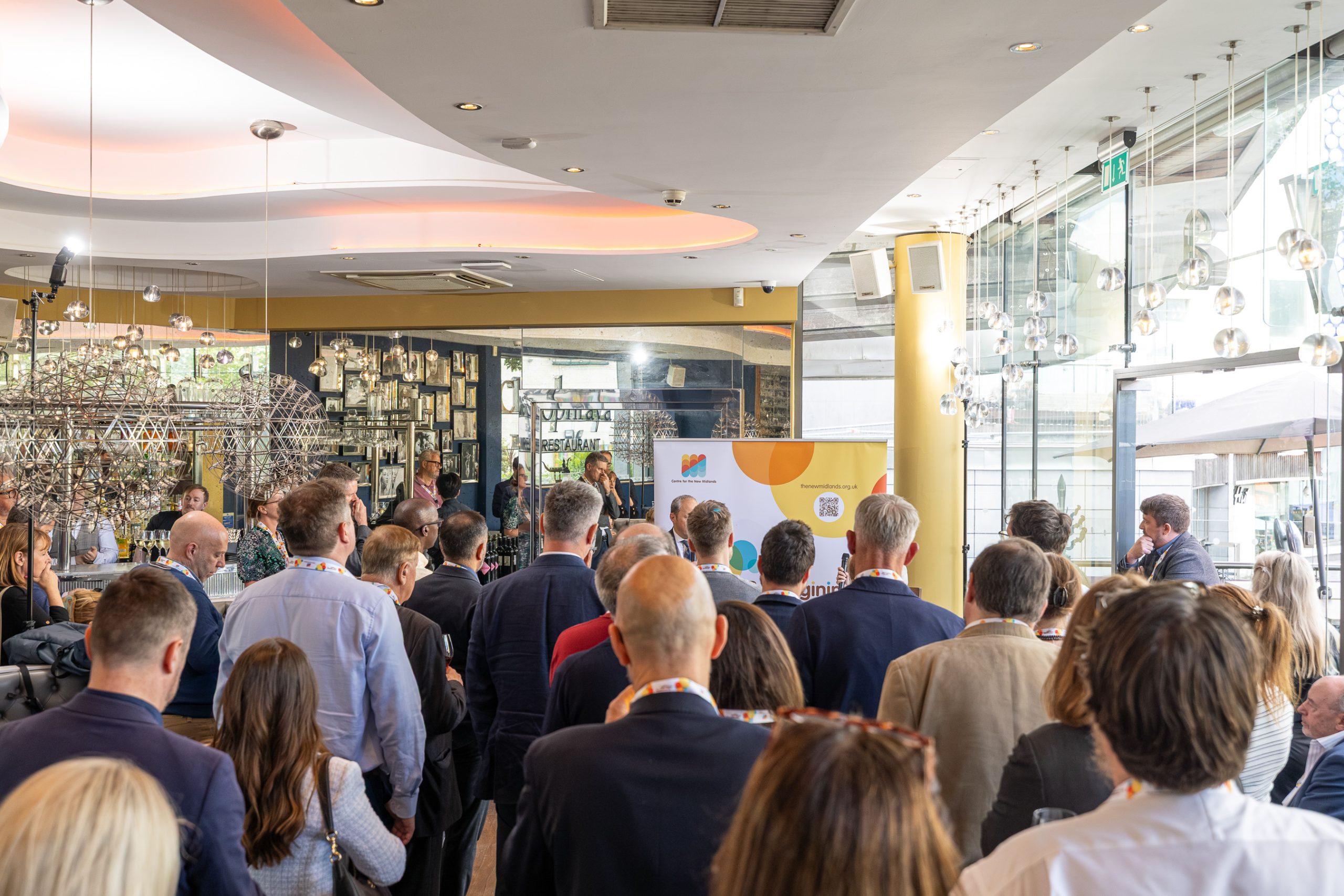
The Centre for the New Midlands welcomed members of its Reimagining the Region network to Chaophraya Birmingham for its annual Summer Reception, bringing together leaders from business, local government, academia and the third sector for an evening of discussion, networking and regional ambition.
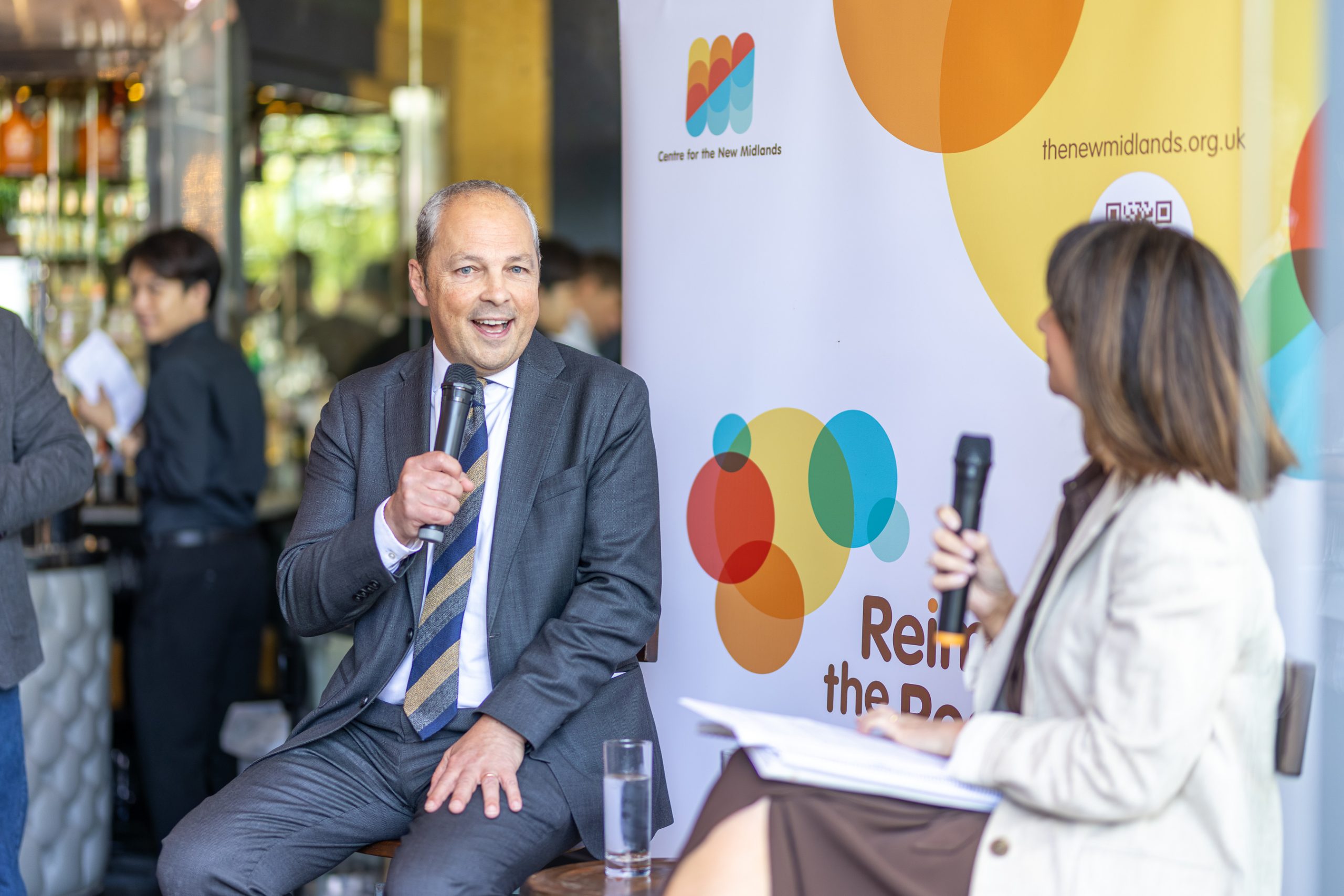
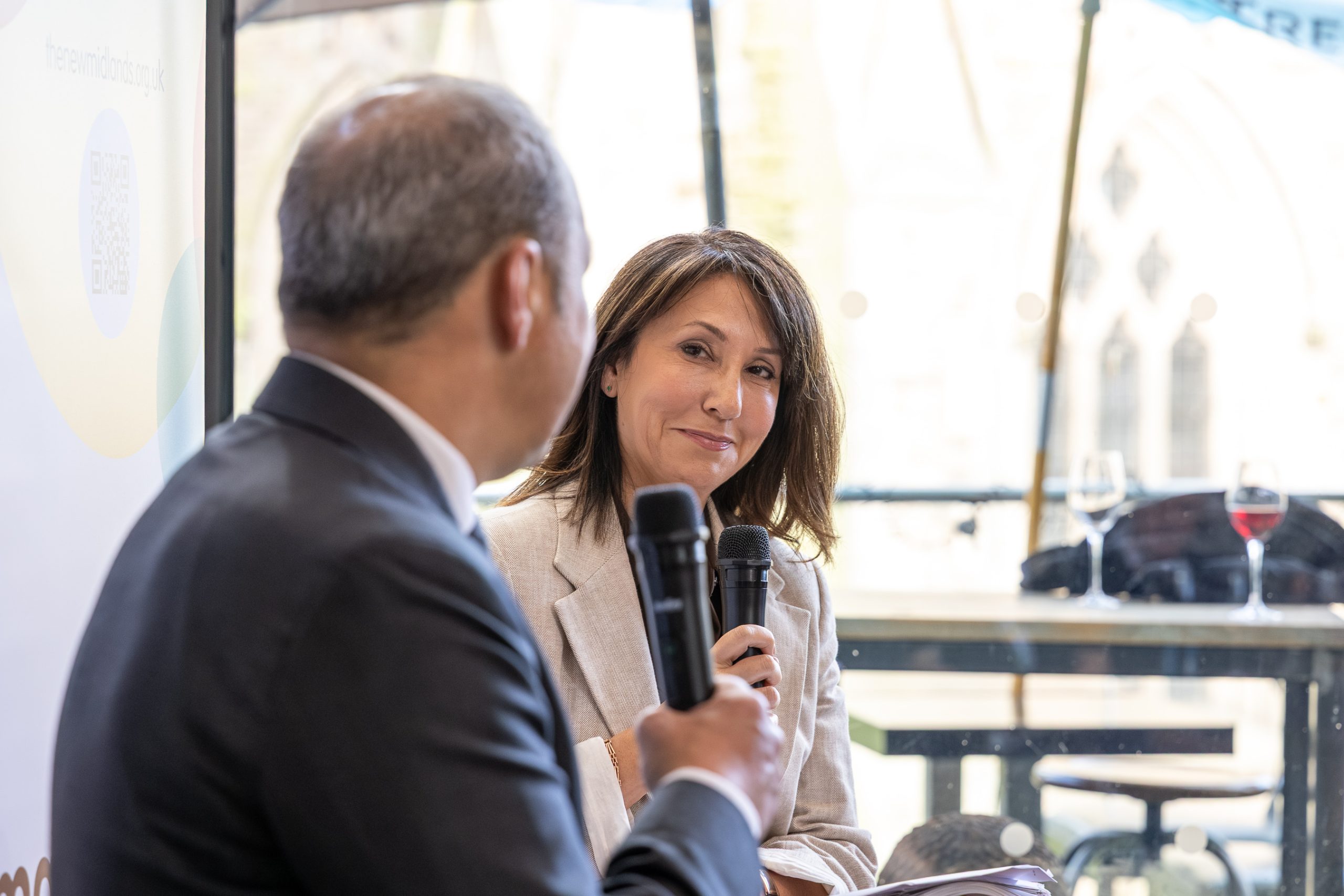
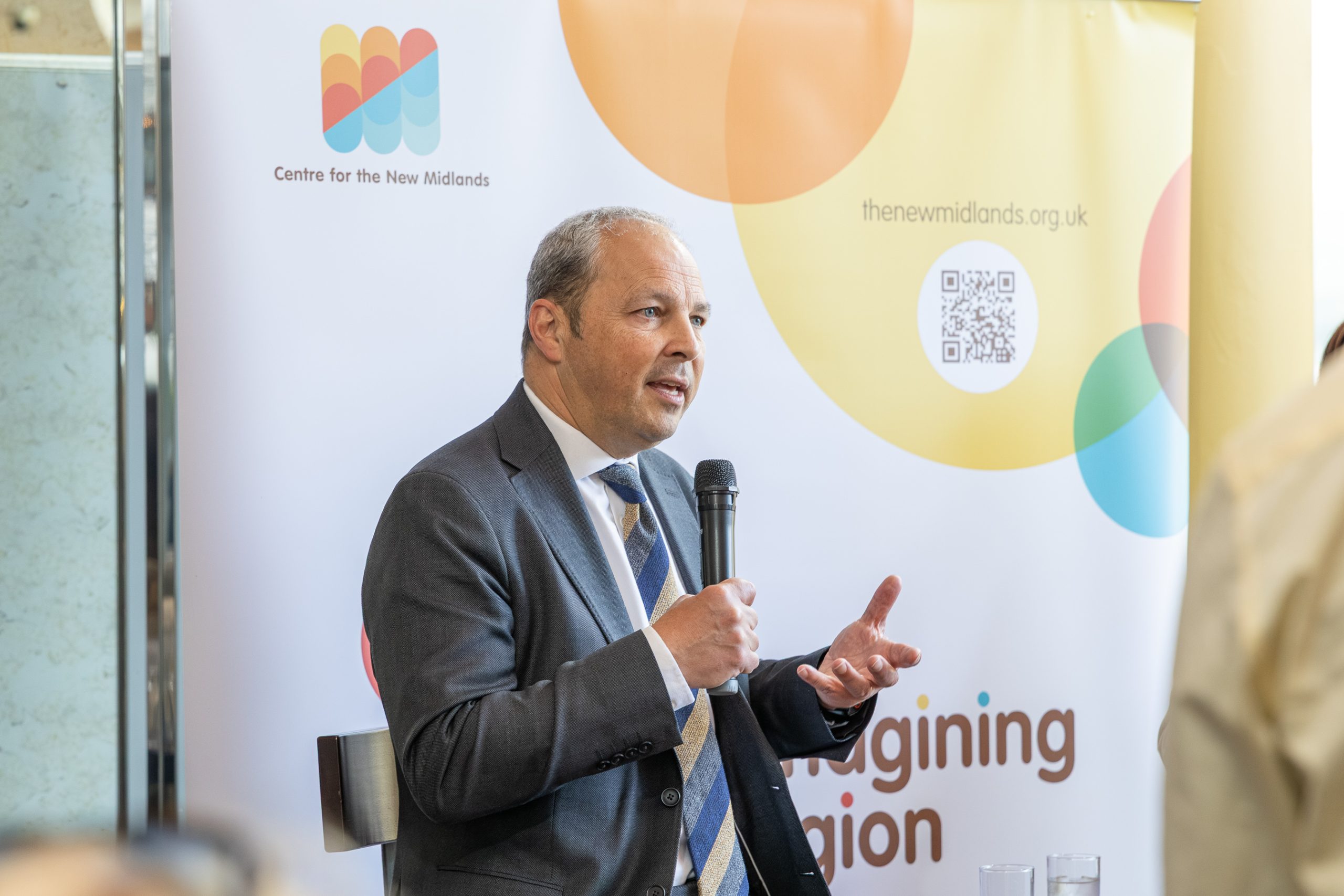
The centrepiece of the event was a fireside chat between broadcaster and journalist Suzanne Virdee and Ed Cox, Chief Executive of the West Midlands Combined Authority (WMCA), who offered a candid assessment of the opportunities and challenges facing the region.
From the outset, Ed struck an optimistic tone, describing the West Midlands as one of Europe’s most significant growth opportunities. Pointing to a £77 billion economy, a population of three million across the metropolitan area, and major developments including HS2 and the region’s rapidly evolving city centres, he argued that the West Midlands possesses a combination of scale, diversity and youthful dynamism that is unmatched elsewhere in the UK.
“The potential for this place is massive,” he said, characterising his role as one of a “conductor of an orchestra” – bringing together the many organisations and institutions needed to unlock the region’s full potential.
Is it finally the West Midlands’ turn?
A recurring theme throughout the discussion was the WMCA’s Growth Plan and its central message: It’s Our Turn. Asked why residents should believe this promise now, after hearing similar claims for decades, Ed pointed to tangible evidence already visible across the region.
Foreign direct investment is arriving at record levels, Birmingham’s development pipeline is outperforming many rival cities, and major infrastructure projects continue to attract national attention. Yet he acknowledged that significant challenges remain, particularly around productivity, skills and transport connectivity.
Rather than identifying a single obstacle, Ed highlighted what the WMCA calls its “Theory of Growth” – a framework built around multiple interconnected factors that must be addressed together if long-term prosperity is to be achieved.
Growth that reaches every community
A theme raised throughout the discussion focussed on one of the most pressing questions facing regional leaders: how can growth be felt beyond Birmingham city centre?
The discussion focused on ensuring that investment benefits communities across Wolverhampton, Walsall, Dudley, Sandwell, Coventry and other parts of the region, rather than being concentrated in the urban core.
In his response, Ed argued that inclusive growth must be built into decision-making from the outset, through targeted investment, stronger local partnerships and greater support for places with less development capacity. He stressed that recent political changes across local government only reinforced the importance of listening to communities who feel left behind.
Housing as economic infrastructure
One of the evening’s most compelling exchanges centred on housing.
Referencing the Centre for the New Midlands’ recent evaluation of St Basils’ Live and Work programme, Suzanne highlighted the growing recognition that housing stability is not merely a social issue but a critical economic one.
Ed agreed, describing housing as fundamental to opportunity, workforce retention and economic growth. He revealed that WMCA-backed programmes had helped unlock 7,000 homes over the past year – five times the level achieved in previous years – while significantly increasing the proportion of affordable housing delivered through regional investment.
He also highlighted new funding secured specifically for social rent homes, helping address homelessness and reducing reliance on temporary accommodation.
AI, skills and preparing for the future
Artificial intelligence emerged as one of the most thought-provoking topics of the evening.
In a notably frank response, Ed stated that the region has not yet fully grasped the scale of the AI opportunity.
“I’m not sure that as yet we have gripped it in the way in which we need to grip it,” he said, calling for a clearer regional strategy around AI adoption, innovation and skills development.
The conversation quickly turned to education and workforce readiness. Ed emphasised the importance of helping more people progress from Level 2 to Level 3 qualifications, describing this as one of the most effective ways to improve both individual life chances and regional productivity.
He also argued that the challenge begins much earlier than further education, with interventions needed from early years through to adulthood.
HS2 and the long game
No discussion about the West Midlands would be complete without HS2.
While acknowledging the frustrations and delays associated with the project, Ed argued that recent developments provide greater certainty than previously existed. More importantly, he suggested that the focus has shifted from transport infrastructure alone towards the economic development opportunities surrounding HS2 sites.
The ambition, he explained, is to ensure that commercial, residential and innovation districts around Curzon Street and Arden Cross are thriving before the first trains arrive, maximising the long-term economic impact of the investment.
Tackling youth unemployment
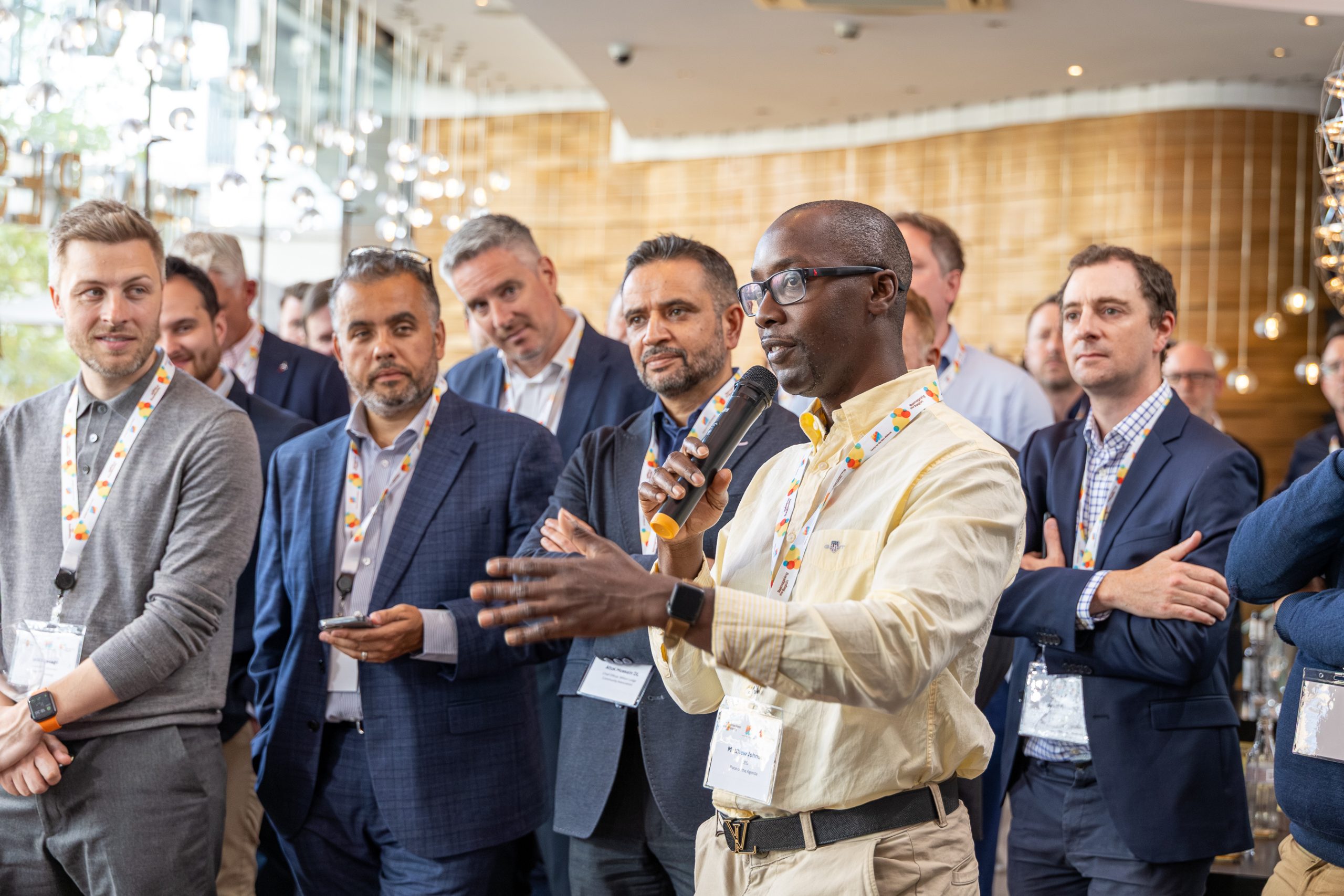
Audience questions brought further attention to youth unemployment, social mobility and opportunities for young people across the region.
Ed acknowledged the scale of the challenge, particularly given the high numbers of young people not in education, employment or training. He highlighted the Mayor’s youth programmes, which have already helped thousands of young people access placements and opportunities, while calling for stronger collaboration between government, employers, educators and the voluntary sector.
A region that needs to tell its story
The evening concluded with a question that resonated strongly with many in the room: why does the West Midlands still struggle with confidence?
Comparisons with Manchester inevitably surfaced, prompting Ed to suggest that the region’s biggest challenge may be its reluctance to celebrate its own achievements.
“We’ve always hidden our light under a bushel too much,” he reflected. “Let’s just stop doing it.”
It was a fitting conclusion to a conversation that consistently returned to the same central idea: the West Midlands possesses extraordinary assets, opportunities and ambition. The challenge now is ensuring that growth reaches every community while building the confidence to tell the region’s story more boldly.
As guests moved from discussion to networking over Chaophraya’s renowned Thai buffet, there was a palpable sense that the conversation reflected a region increasingly willing to back itself.
For the Centre for the New Midlands and its Reimagining the Region network, the evening reinforced the importance of creating spaces where ideas, policy and practical action can come together to shape the future of the West Midlands.
This Reception was an invitation only event for members of the Centre’s Reimagining the Region network. If you and your organisation are not yet members, click here to learn more about getting involved.
Our network is growing each and every month – make sure you are part of how we shape an even ‘better’ region for all.
To learn more about getting involved or to join our network, please contact Chris Smith (Founder and CEO, Centre for the New Midlands CIC) by emailing chris@thenewmidlands.org.uk