
The Birmingham East Mayoral Development Corporation is poised to be established in the coming weeks – a move championed by politicians as having the potential to create “tens of thousands of jobs, thousands of homes and adding billions to the local economy”. In this article, Alexander Rose (Partner, Ward Hadaway) looks into why Mayoral Development Corporations are so attractive to politicians and looks into whether the Birmingham East Mayoral Development Corporation really will be a game changer for the region.
First and foremost, what is a Mayoral Development Corporation (MDC)?
A Mayoral Development Corporation is a regeneration vehicle created to accelerate the development of one or more identified sites (the Mayoral Development Area) and which is equipped with extensive powers for this purpose, including the ability to recruit experts to oversee projects, act as the planning authority, install infrastructure and construct buildings (either directly or through partners). The process to establish a MDC is set out within legislation and involves a Metro Mayor designating a Mayoral Development Area and consulting with key stakeholders, after which the setting up of the MDC is ratified by the Secretary of State for Housing, Communities and Local Government.
When will Birmingham East Mayoral Development Corporation be established?
The process to establish a Mayoral Development Corporation is set out in the Localism Act 2011 and involves a Metro Mayor, in this instance West Midlands Mayor Richard Parker, designating a Mayoral Development Area, having consulted with the relevant stakeholders and then giving notification of this to the Secretary of State for Housing, Communities and Local Government. This notification is submitted and an order for the creation of the Mayoral Development Corporation is then laid out in Parliament. Forty Parliamentary sitting days must pass, without a resolution against the secondary legislation, for the Birmingham East Mayoral Development Corporation to be established. This is expected to happen in June 2026.
In preparation for the formal creation of the MDC, work will begin on creating a constitution for the organisation, preparing a first year plan, recruiting people into key roles and establishing monitoring arrangements.
What is so important about the Birmingham East Mayoral Development Corporation?
Birmingham East Mayoral Development Corporation will be the biggest MDC created in the UK so far. It will champion regeneration in an area which suffers from some of the most deep rooted deprivation in the country (child poverty in East Birmingham is almost 50%, whilst over a quarter of the 375,000 population have never worked) – however it is also an area which has some of the nation’s best development sites.
The act of creating a MDC has brought additional focus to the redevelopment programme with initiatives to regenerate Central Heart, Birmingham Sports Quarter, the Knowledge Quarter, Digbeth Loc, Smithfield and Curzon Street already well advanced. These projects are predicted to leverage £3bn of foreign direct investment into the area, creating thousands of new high quality jobs.
Richard Parker, Mayor of the West Midlands has said that the Birmingham East Mayoral Development Corporation will “deliver the fastest growth opportunities anywhere in the country” supporting major schemes to deliver with “speed, certainty and scale“ placing “Birmingham and the West Midlands at the front of the queue for investment, creating jobs and driving growth that will make a difference to people’s lives“.
Why are politicians so excited about Mayoral Development Corporations?
Richard Parker is far from the only politician excited about the prospect of what can be achieved through Mayoral Development Corporations. In December 2025, the i-paper published an interview with the Metro Mayor for the Liverpool City Region, Steve Rotherham, in which he said that “he is in regular contact with mayors of all parties about Mayoral Development Corporations and that ‘everyone’ is now looking at them“.
He said that a major benefit of MDCs is their ability to “give confidence to the market” that a regeneration scheme will go ahead and thereby “increase the risk appetite” of the private sector to step in and invest.
Tees Valley Metro Mayor, Ben Houchen has set up three MDCs (the most in any region at this time) and praised the model for its ability to “slash red tape so we can supercharge the redevelopment” of areas. He argues that one of the key benefits of a MDC is the ability to accelerate planning applications faster than usual – in a talk at last year’s UKREiiF conference he cited a £200m scheme which received planning permission within just 10 weeks from submission of documentation to approval, thanks to the intervention of a MDC.
Greater Manchester Mayor Andy Burnham sees the success of the MDC in Stockport as a “blueprint for urban regeneration that the whole country can look to” which demonstrates “ambitious, place-first regeneration that can drive national growth” and has recently moved to expand the MDC red line boundary to include a wider range of sites.
He has also published a ten year plan to create MDCs in Bolton, Oldham, Middleton, the corridor between Ashton and Stalybridge, Leigh and Old Trafford, whilst also taking forward plans to establish a Mayoral Development Zone in Atom Valley and the Northern Gateway (across Bury, Rochdale, and Oldham). In doing so, he has been eager to bring in experts in regeneration but also to bring in high profile individuals that able to attract national and international interest, for example the actor and comedian Steve Coogan who is co-chairing the new Middleton Mayoral Development Corporation and who Andy Burnham has described as a “real champion of community-led change“.
Support for Mayoral Development Corporations is not limited to Metro Mayors of Combined Authorities and County Combined Authorities. Secretary of State for Communities, Housing and Local Government, Steve Reed MP has praised MDCs as being able to deliver the type of “regional renewal that local people will really feel“ and argued that the MDC model is an example of devolution in action.
What lessons can be drawn from existing Mayoral Development Corporations?
In November 2025, Ward Hadaway hosted a webinar bringing together experts with valuable experience of working either within or alongside existing Mayoral Development Corporations with a view to understanding what lessons could be learned from the six older MDCs (those established between 2012 and 2023, including the London Legacy Development Corporation Hartlepool Development Corporation and Stockport Town Centre West Mayoral Development Corporation.
Bev Bearne, who was at the time, the Chief Operating Officer for the Hartlepool and Middlesbrough Development Corporations, underlined the importance of having clear roles and responsibilities, as well as the benefits of building close working relationships with local stakeholders.
Stuart Howie, Principal and Devolution Delivery Lead at Avison Young, explained that ‘one size does not fit all’ and emphasised the importance of striking agreement at the outset about the role that the Mayoral Development Corporation is expected to play in local growth plans and how it is anticipated that the organisation will intervene within the market.
Ian Freshwater, Programme Manager (Major Projects) at the North East Combined Authority provided an overview of the North East Combined Authority’s recent decision to establish a non-contiguous Mayoral Development Zone, spanning sites in both Newcastle and Gateshead, providing insight into the evidence base that will be built up ahead of a decision being made as to whether to establish a Mayoral Development Corporation. The recording of the webinar can be downloaded here.
When it came to a discussion of the legal issues, two main points were made. Firstly, the Monitoring Officer for the Combined Authority or Combined County Authority which establishes the Mayoral Development Corporation will also be the monitoring officer for any MDCs in the authority’s area and therefore oversee that appropriate processes are in place around the managing of public money and good governance. At the same time, the different phases of a MDC require different legal input. The most successful MDCs have clear processes and checks to ensure compliance with issues such as Subsidy Control and planning law.
Will the Birmingham East Mayoral Development Corporation deliver all the benefits promised?
The success of Birmingham East Mayoral Development Corporation is not guaranteed – however for the first time in decades all the ingredients for success are in the control of local decision makers.
Devolution has equipped the West Midlands Combined Authority with an integrated settlement worth £2.5bn over the next three financial years. Once the MDC is created it will have the powers to accelerate development.
However, as different regions take advantage of similar funds and powers which come from devolution, it becomes clear that a competitive edge is achieved by:
- having a clear understanding of the objectives which need to be delivered;
- putting in place processes which give investors the maximum assurance and certainty, whilst minimising bureaucracy; and
- involving the most talented board members, staff and advisers with the experience and expertise to accelerate delivery.
To conclude, Birmingham East Mayoral Development Corporation has the potential to be a game changer for regeneration in the West Midlands, but its success is not guaranteed. Instead it will depend on the decisions made now, including securing backing from across the region and winning the race for talent.
This is a personal blog post. Any opinions, findings, and conclusion or recommendations expressed in this article are those of the authors and do not necessarily reflect the view of the Centre for the New Midlands or any of our associated organisations/individuals.
ABOUT OUR AUTHOR:
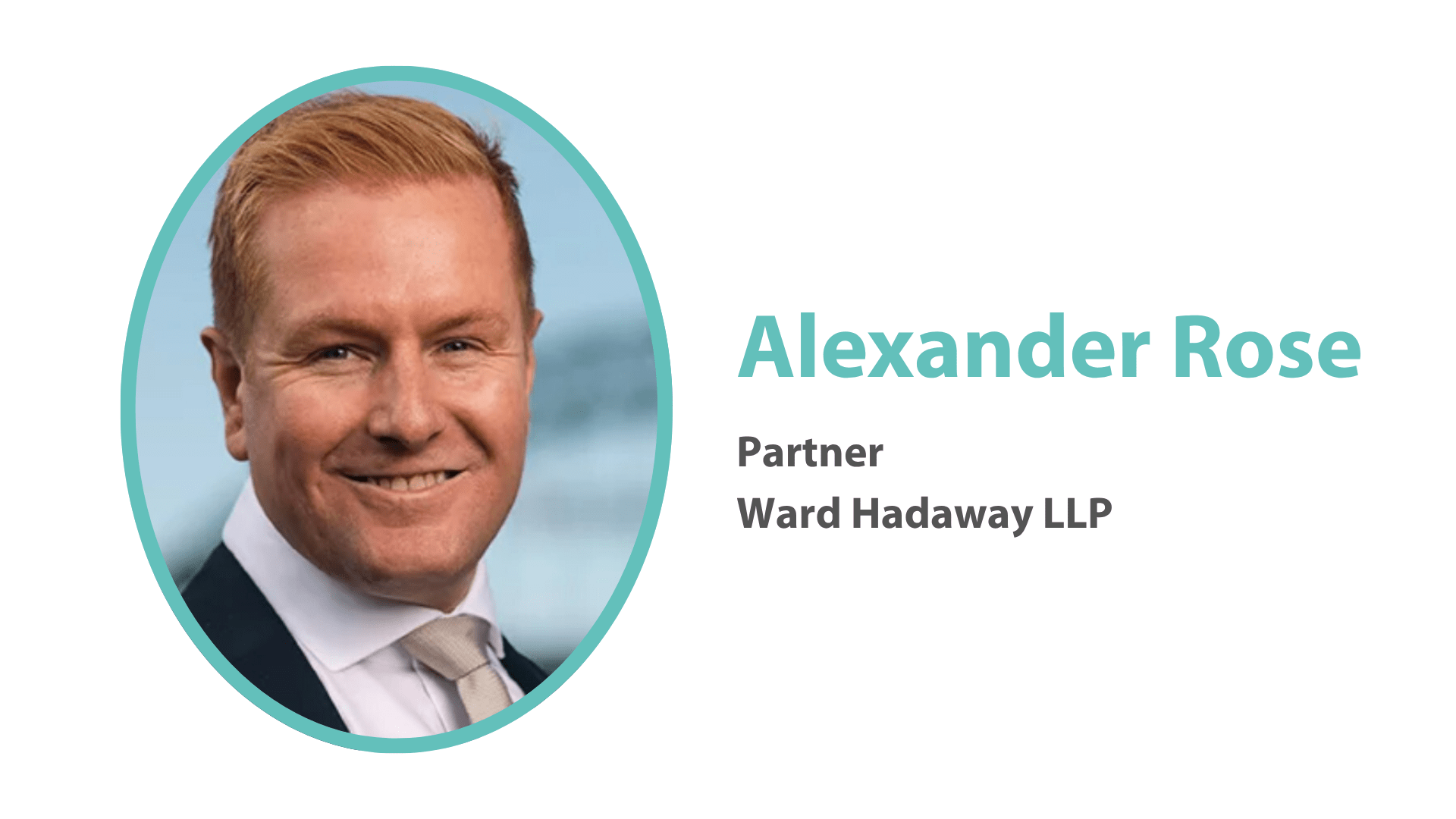
Alexander Rose leads the Public Funding team at Ward Hadaway having previously worked as a regeneration lawyer in the Ministry for Housing, Communities and Local Government and in the regional funds directorate of the European Commission. He has advised on the setting up and operation of Mayoral Development Corporations.