Entering a mature professional services market like Birmingham is rarely as simple as placing your counter on square one and rolling the dice. For organisations looking to establish a presence in a competitive city, success often depends on a combination of foresight, disciplined hiring and strategic cultural choices.
As part of my work as a member of Employability and Skills board within the Centre for New Midlands, I spoke with the team at Bishop Fleming. The firm’s recent expansion into Birmingham provides a useful case study as a practical example of how intentional decisions can help any business build a new proposition from the ground up. These are the lessons I learnt.
Start With the Right Foundations
When moving into a new region, many businesses underestimate the value of experienced local leadership. Bishop Fleming avoided that early “snake” by appointing Mark Taylor, a respected figure in the Midlands market, to lead its Birmingham office. His existing relationships and deep regional knowledge helped the firm make informed moves from day one rather than learning the landscape through trial and error.
For any organisation, this highlights a simple principle: the first ladder you place often determines how far and how fast you can climb.
Build a Team with Purpose, Not Pace
The firm set ambitious goals — turning a greenfield site on Colmore Row into a £10m+ operation with around 100 people within five years. But rather than rushing to fill seats, the focus was on deliberate, high‑quality hiring. More than 80 candidates have been interviewed on the path to recruiting seven partners so far, ensuring each appointment reinforced capability and culture.
This reflects a key learning: growth in a new market isn’t simply about scale, but about sequencing. Each role is a ladder placed intentionally, not a square filled out of urgency.
Culture as the Differentiator
In a city already full of established firms, Bishop Fleming positioned the Birmingham office as a place where people could help build something new. The pitch wasn’t just career progression — it was participation in shaping a fresh proposition.
The culture emphasised collaboration, openness and the energy that comes from giving people real responsibility. For other organisations, the message is clear: in competitive markets, the journey you offer often matters as much as the job title.
Recognising — and Avoiding — the Snakes
Every market has pitfalls. Reactive hiring. Short‑term decision‑making. Treating talent as a cost instead of an investment.
Mark Taylor describes the risk well: a single great hire can move the business forward ten squares, while each misstep on the hiring journey can significantly hamper overall progress and be a drag on performance for long periods. That discipline — knowing when not to roll the dice — is one of the most transferable lessons for any business.
Reputation Matters More Than You Think
Awards and accreditations might seem like nice‑to‑have credentials, but they can be powerful differentiators for a new market entrant.
Bishop Fleming’s recognition — such as being named Best Workplace for Women and holding an Ofsted “excellent” apprenticeship rating — helped attract candidates who might otherwise have favoured larger or longer‑established offices.
In other words, strong reputation creates long ladders: it opens doors before you even arrive at them.
Building Homegrown Ladders
While early growth depended on external recruitment, the long‑term plan focuses on developing internal talent. The Birmingham office is already working with colleagues across the wider firm, creating pathways for specialists — including in high‑value areas such as corporate finance — to grow locally.
For organisations launching a new proposition, this reflects a sustainable approach: early hires build the momentum, but homegrown talent keeps you moving up the board.
What the Wider Business Community Can Learn
Bishop Fleming’s expansion is one example of how to approach new‑market entry with discipline and intent. But its lessons apply broadly:
- Choose leadership carefully. Your first move sets the tone for everything that follows.
- Hire deliberately. The wrong appointment can be a snake — the right one, a ladder.
- Invest in culture early. It becomes the engine that drives growth.
- Use reputation strategically. External validation accelerates trust.
- Develop internal pathways. Sustainable growth comes from within.
Birmingham remains one of the UK’s most important professional services hubs and the sector remains a tremendous asset to the regional economy and its future prospects. Examples like this show how the right decisions — made early and consistently — can determine whether a business climbs the board or slips back down it.
At Virgin Money I am currently leading our efforts to start building a new presence in Bristol. Spending this time understanding the journey Bishop Fleming have been has certainly helped me focus my activity around our first appointments.
Share Your Story
The Employment and Skills Board wants to highlight organisations across the region that are navigating their own ladders and snakes — whether launching new propositions, entering new markets, or developing new talent. If your organisation has a growth journey worth sharing, we’d love to hear from you. Your experience might be the ladder someone else needs to take their next step. Please contact research@thenewmidlands.org.uk or submit your ideas by visiting our website.
This is a personal blog post. Any opinions, findings, and conclusion or recommendations expressed in this article are those of the authors and do not necessarily reflect the view of the Centre for the New Midlands or any of our associated organisations/individuals.
ABOUT OUR AUTHOR:
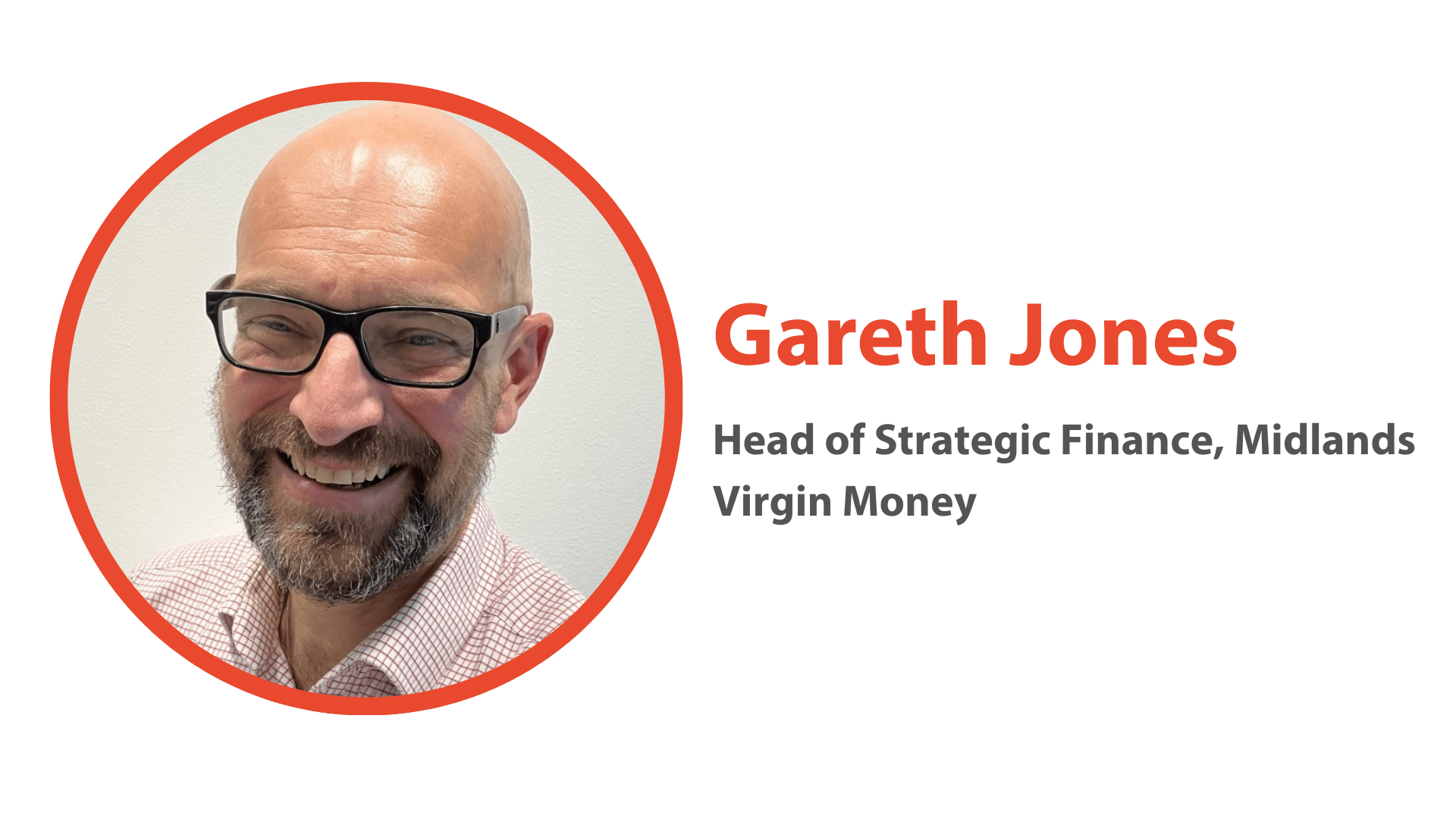
Gareth Jones is an experienced banking leader who has supported businesses across West Midlands for last 35 years. He is currently Head of Strategic Finance for Midlands for Virgin Money. He is well known in West Midlands vibrant Professional Services community. He is also a Council Member for Greater Birmingham Chamber of Commerce.
He has always believed that strong businesses are essential for the prosperity of our region. Inspired by the owners and management teams of customers he has worked with, Gareth and his team’s focus is helping businesses grow stronger.
Gareth has held various leadership positions for last 20 years. He loves developing people and building teams.
He truly believes that in business people make the difference. This is Gareth’s motivation to support the Centre’s People and Skills Board. He knows the continual challenge of attracting, retaining and developing people in a rapidly changing world.
He hears every week from customers in all industries and peers in other professional services organisations that People are their number one challenge. If West Midlands is to continue to thrive in the future we need to ensure we unlock all the potential talent we have available.