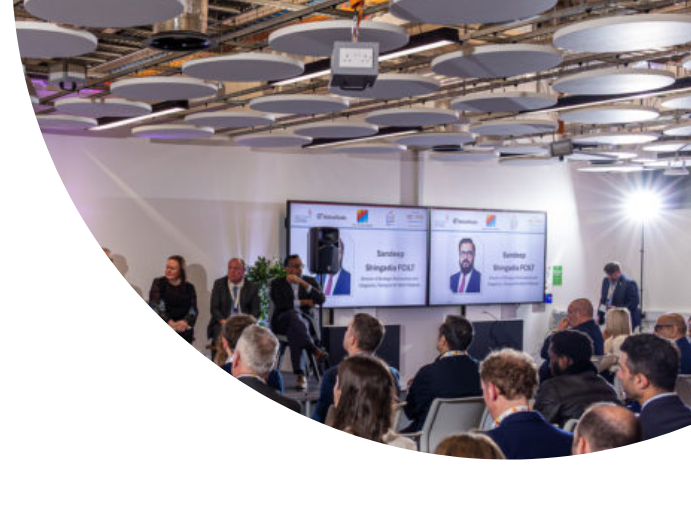
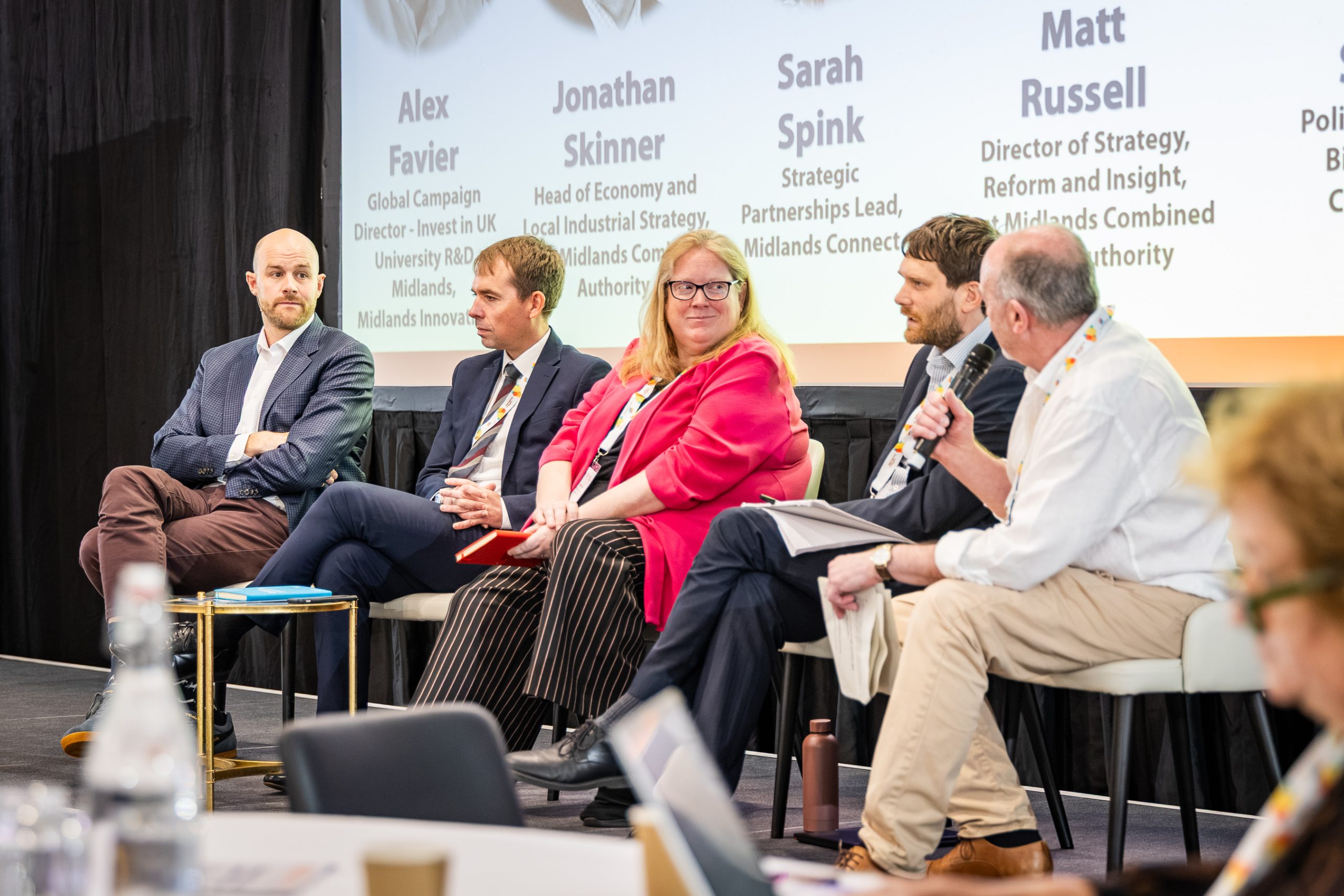
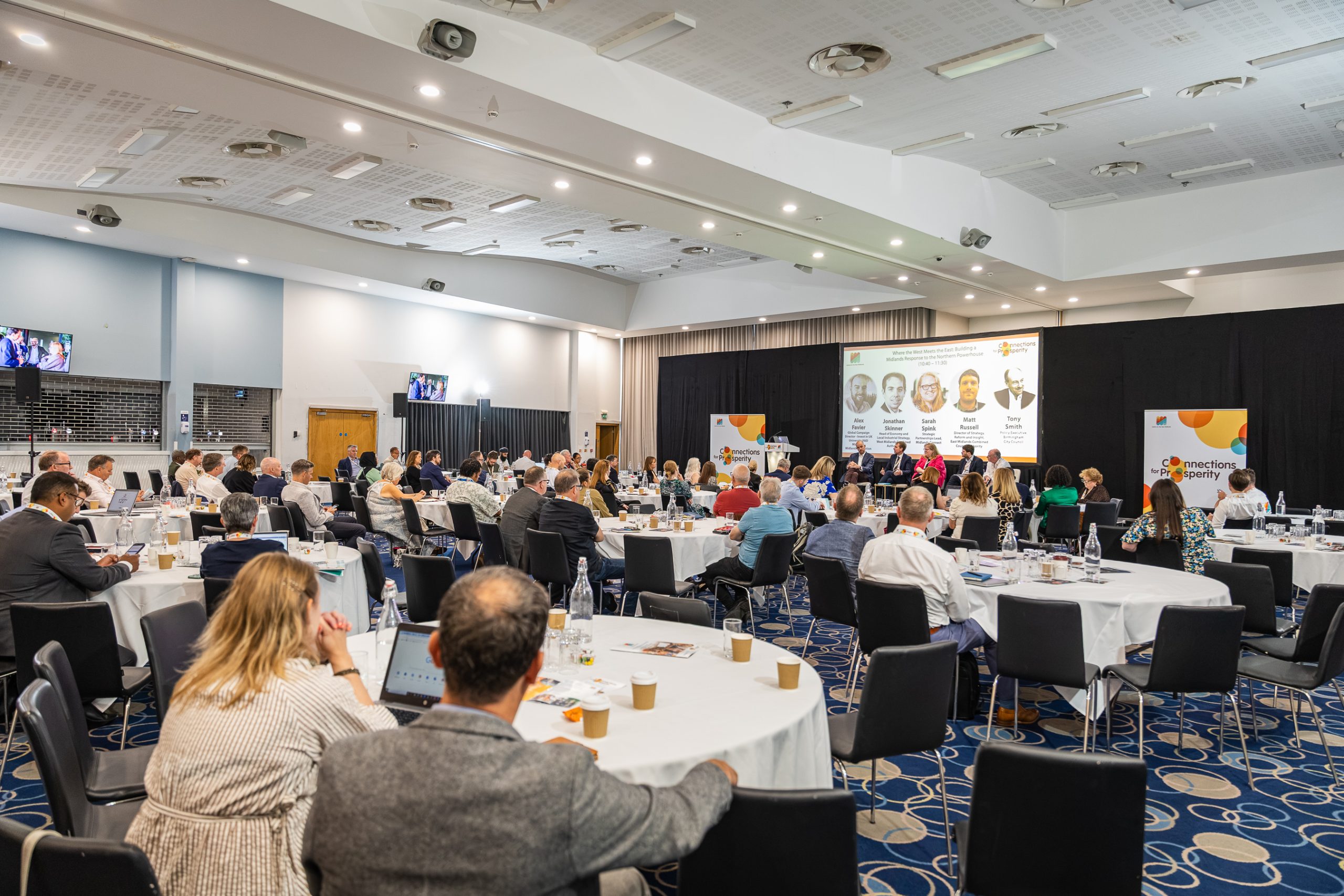
In one of the opening breakout sessions at the Centre for the New Midlands’ Connections for Prosperity conference, a panel from across the broader Midlands region explored how the East and West Midlands can work together to strengthen the region’s economic voice, attract investment and ensure the Midlands is not overshadowed by the renewed focus on the Northern Powerhouse.
Chaired by Tony Smith (Birmingham City Council), the discussion brought together Jonathan Skinner (West Midlands Combined Authority), Matt Russell (East Midlands Combined County Authority), Sarah Spink (Midlands Connect) and Alex Favier (Midlands Innovation), who shared a common message: collaboration across the Midlands is no longer a nice-to-have—it is essential, particularly with the enhanced national focus on the devolution agenda and the increased attention being put onto Greater Manchester with the new PM’s background in mind.
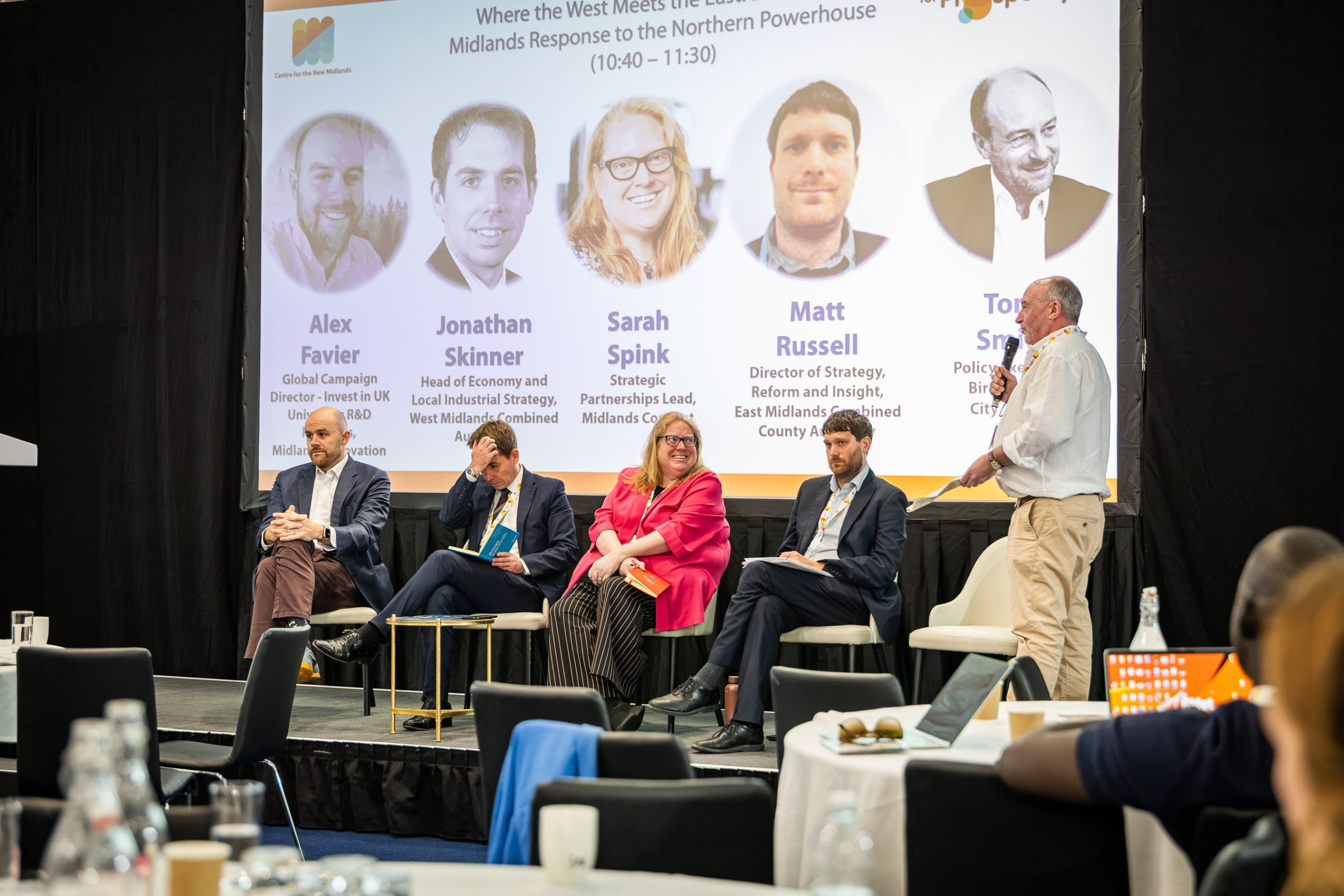
Speaking with one Midlands voice
The panel agreed that the emergence of combined authorities across both the East and West Midlands provides an unprecedented opportunity to present the Midlands as a coherent economic region. Rather than competing with one another, the region’s cities, towns and institutions should be combining their strengths to influence national policy, secure investment and deliver better outcomes for businesses and communities.
Recent agreements between the East Midlands Combined County Authority and the West Midlands Combined Authority were highlighted as evidence of this growing maturity, with speakers arguing that joint priorities should focus on areas where working together delivers greater impact than acting alone.
Turning collaboration into action
While there was broad support for developing a stronger Midlands identity, panellists stressed that success will be measured by practical outcomes rather than statements of intent.
The recently launched Midlands Defence Blueprint was cited as an example of meaningful collaboration, bringing together industrial capability, research expertise and supply chains across both combined authorities. The panel argued that initiatives such as this demonstrate how regional partnerships can unlock government investment while creating skilled jobs and strengthening the Midlands’ role in nationally significant sectors.
Connectivity remains the region’s biggest opportunity
Transport emerged as one of the dominant themes throughout the discussion.
Sarah Spink emphasised that improving east-west rail connectivity remains fundamental to unlocking economic growth across the Midlands. While progress on the Midlands Rail Hub was welcomed, she argued that improving connections between Midlands cities—not simply strengthening links to London—must remain a long-term priority.
Better connectivity was seen as about far more than faster journeys. Improved rail infrastructure would increase network resilience, support freight, enable housing and employment growth, and better connect businesses with skills, supply chains and investment opportunities.
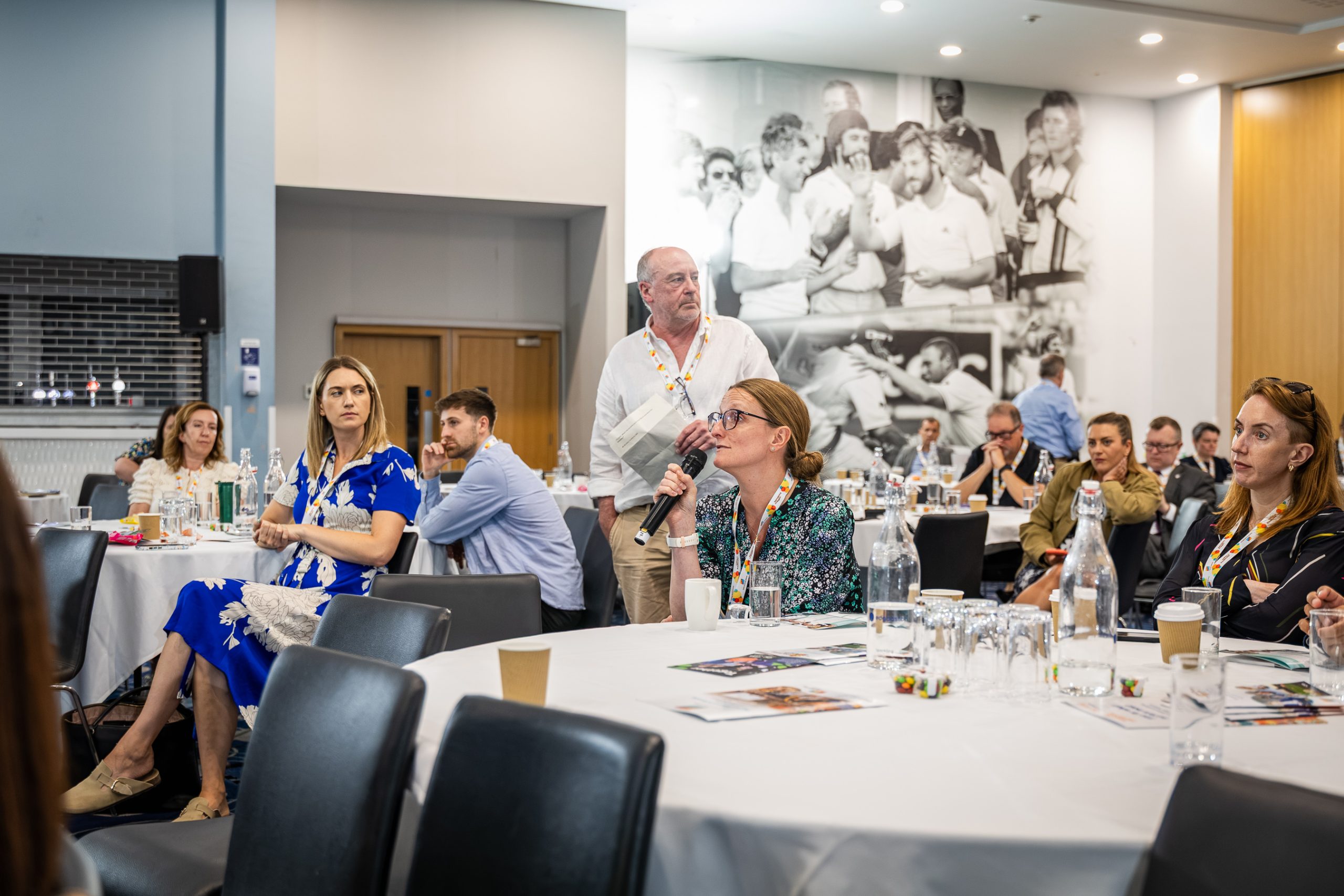
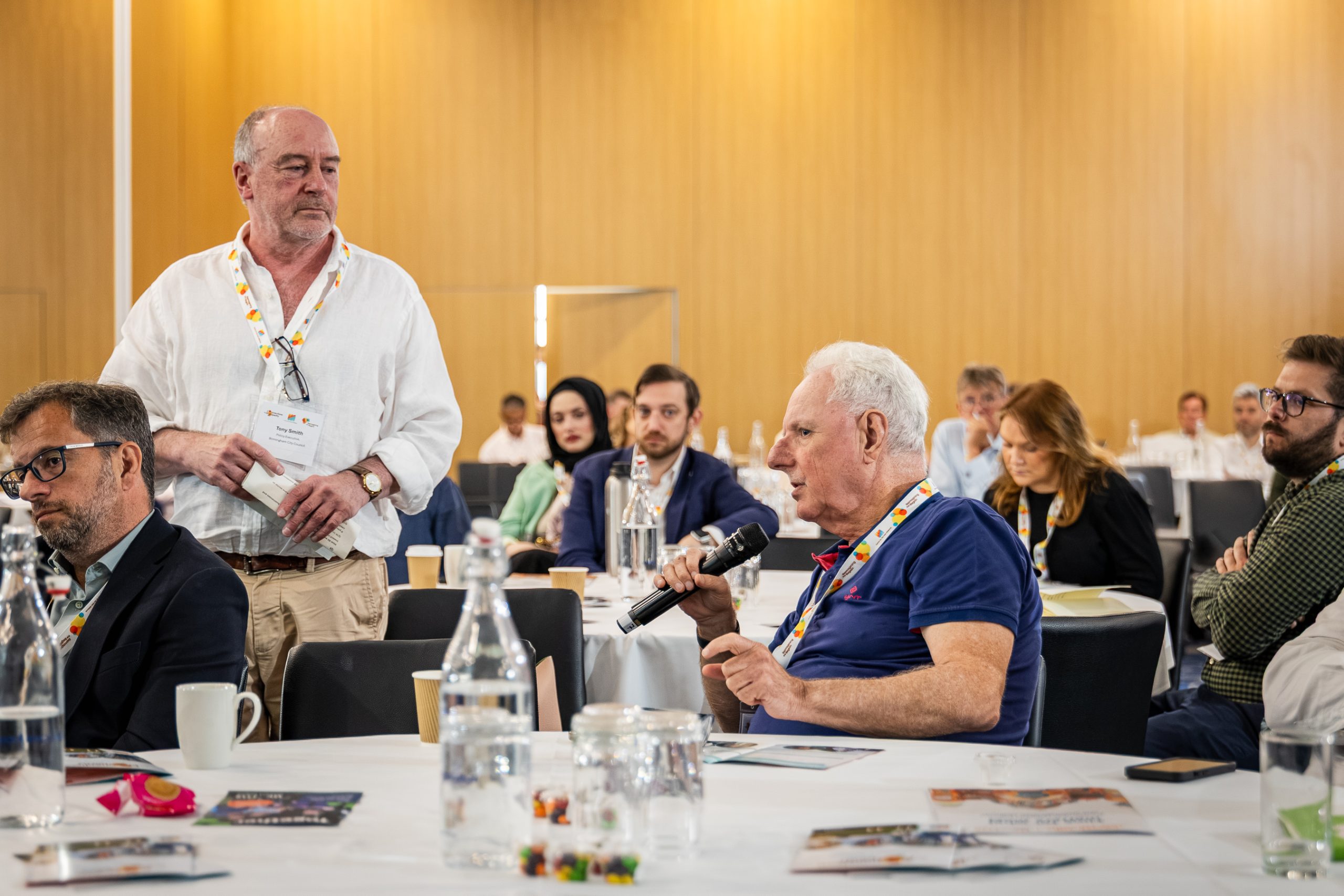
Audience members reinforced the importance of aligning transport investment with housing and economic development to strengthen the business case for future infrastructure projects.
Celebrating the Midlands’ innovation strengths
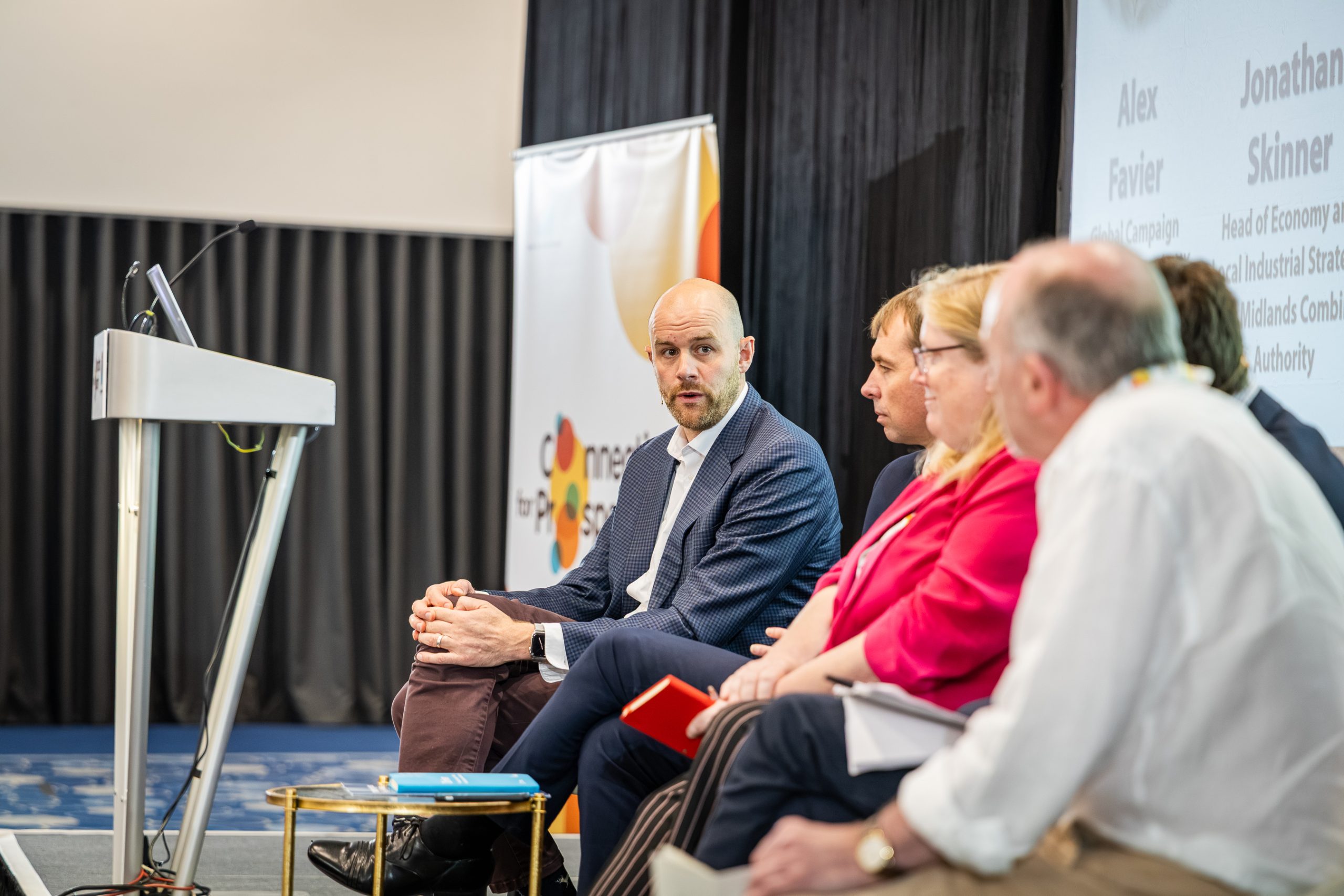
Alex Favier highlighted what he described as one of the Midlands’ greatest but least recognised assets: its world-class research and innovation ecosystem.
The panel argued that while global investors readily recognise places such as Oxford and Cambridge, the Midlands often undersells the scale of its combined research capability. By presenting universities, businesses and innovation clusters as a connected regional proposition rather than individual institutions, the Midlands can offer investors a far more compelling story.
The discussion also highlighted opportunities around advanced manufacturing, dual-use technologies, life sciences and defence, with speakers arguing that the Midlands is particularly well placed to support the UK’s ambitions around reindustrialisation and commercial innovation.
Confidence, identity and ambition
A recurring theme throughout the session was the need for the Midlands to become more confident in telling its own story.
Panellists acknowledged that the North has developed a strong political identity through the Northern Powerhouse agenda, while the Midlands has often spoken more quietly despite possessing many of the same strengths. Rather than defining itself in opposition to other regions, the Midlands should articulate a distinctive identity based on its central location, manufacturing heritage, research excellence and collaborative approach.
As one speaker observed, the Midlands should be recognised as far more than “the place you travel through on the way to Manchester.”
Looking ahead
The discussion concluded with a challenge for regional leaders, including West Midlands Mayor Richard Parker and East Midlands Mayor Claire Ward, to continue building a genuinely joined-up Midlands agenda.
The panel’s message was clear: the Midlands’ greatest competitive advantage lies not in rivalry between East and West, but in presenting itself as a single, ambitious region capable of driving national growth. By strengthening collaboration, investing in connectivity and championing its innovation strengths, the Midlands can ensure it plays a central role in the UK’s future economic success.
Connections for Prosperity 2026 was sponsored by AtkinsRéalis, E.ON, Unity Trust Bank and West Midlands Housing Association Partnership.
If you and your organisation are not yet members of our Reimagining the Region network, click here to learn more about getting involved.
Our network is growing each and every month – make sure you are part of how we shape an even ‘better’ region for all.
To learn more about getting involved or to join our network, please contact Chris Smith (Founder and CEO, Centre for the New Midlands CIC) by emailing chris@thenewmidlands.org.uk