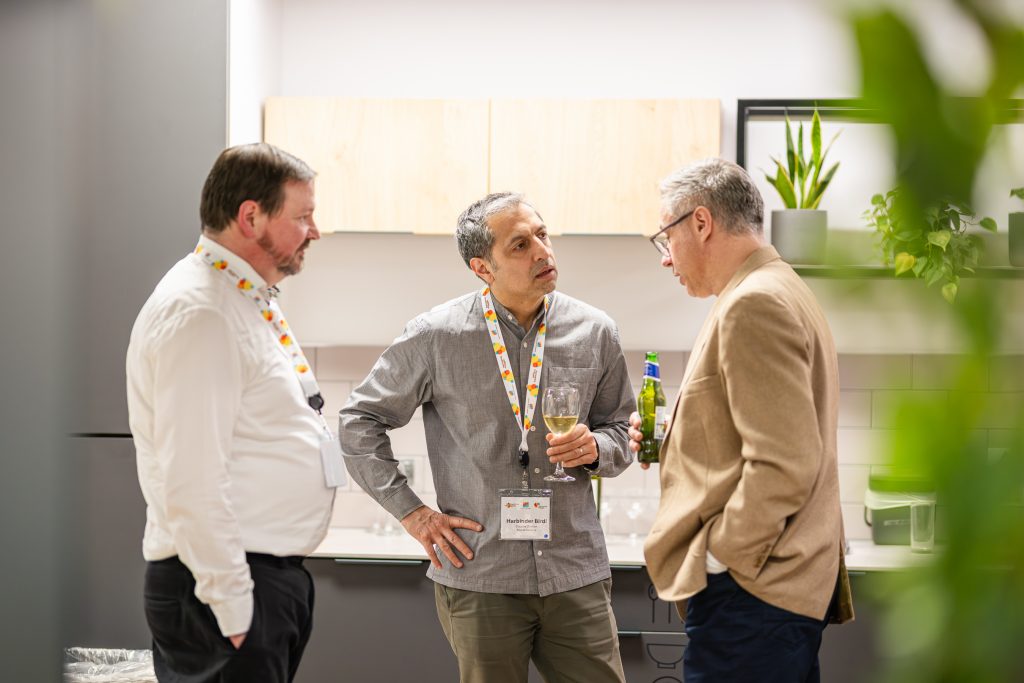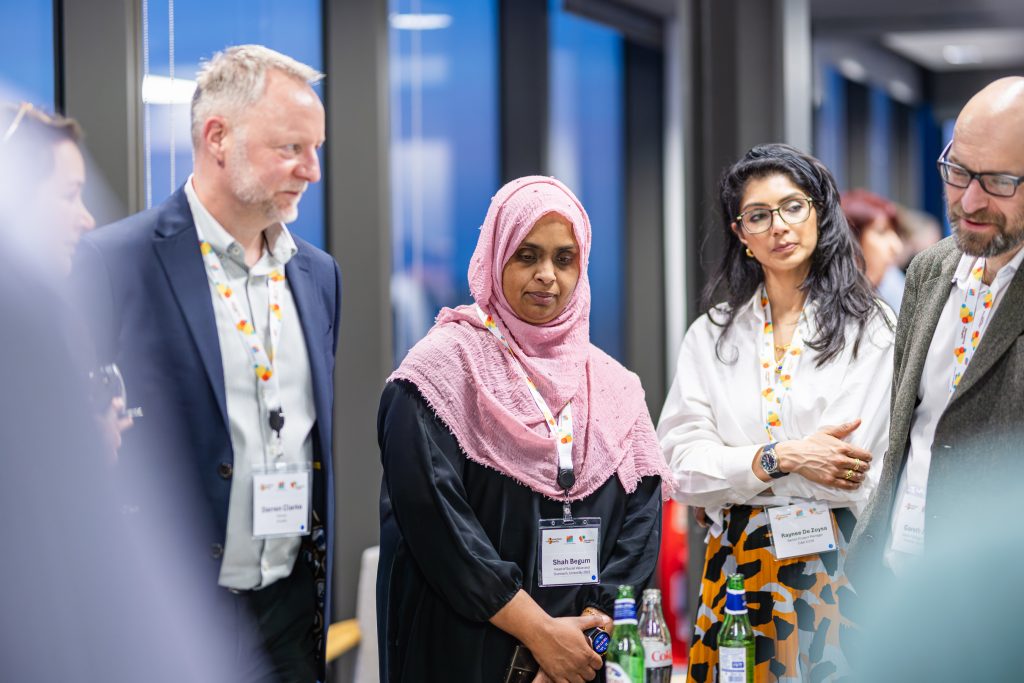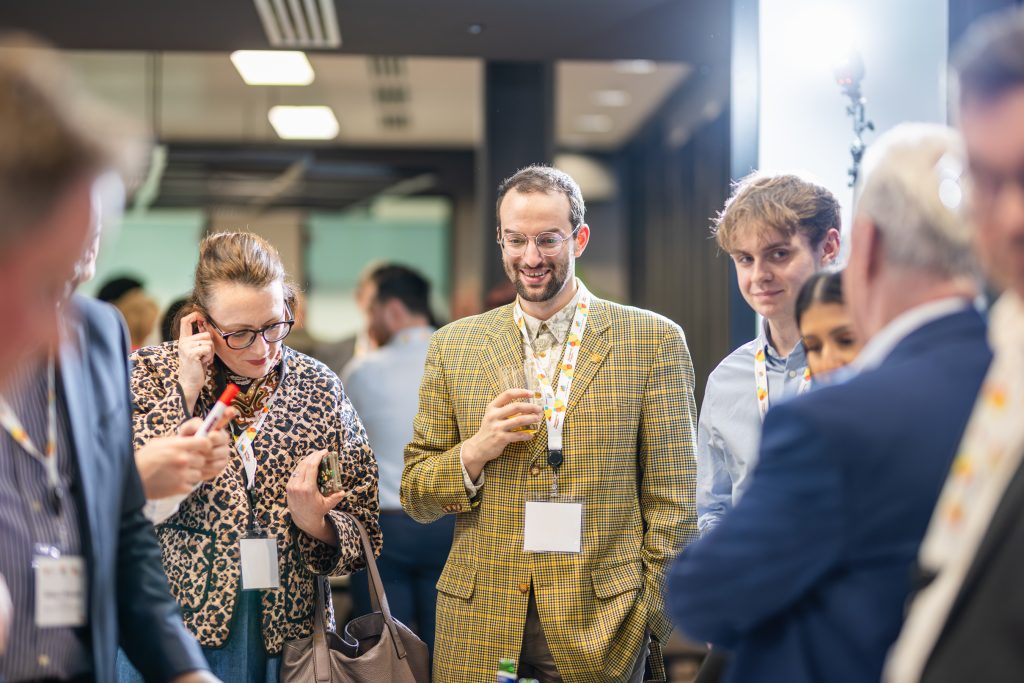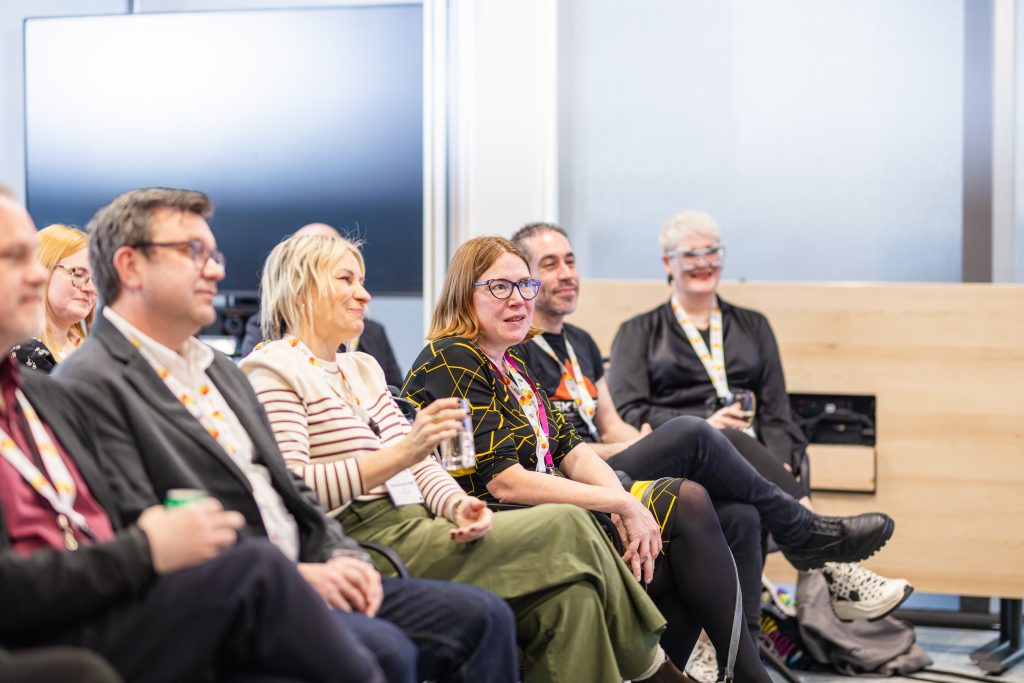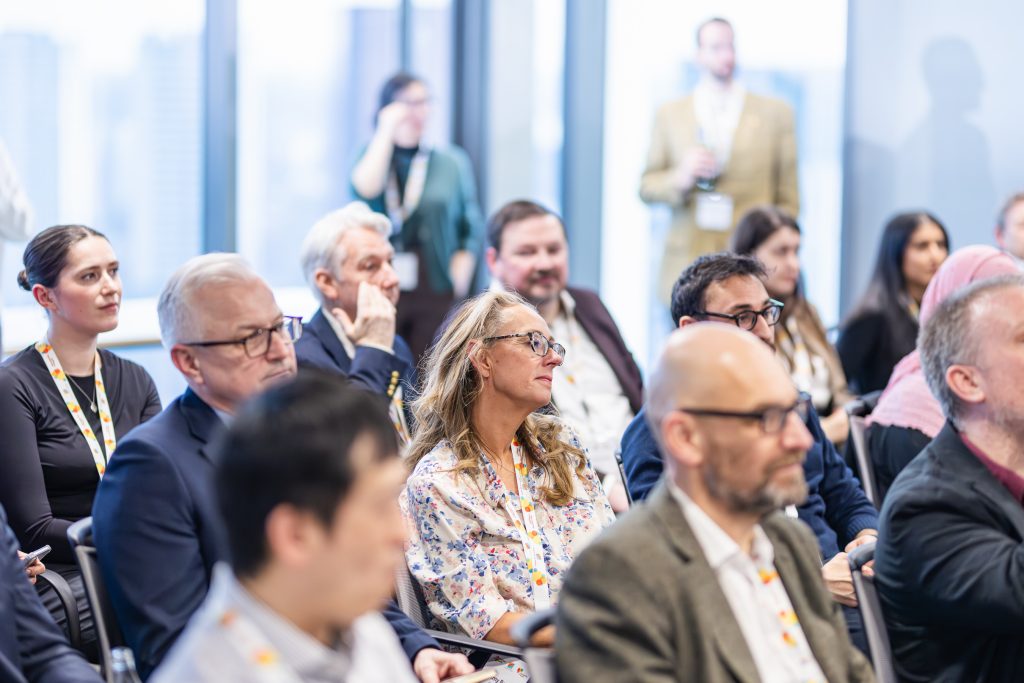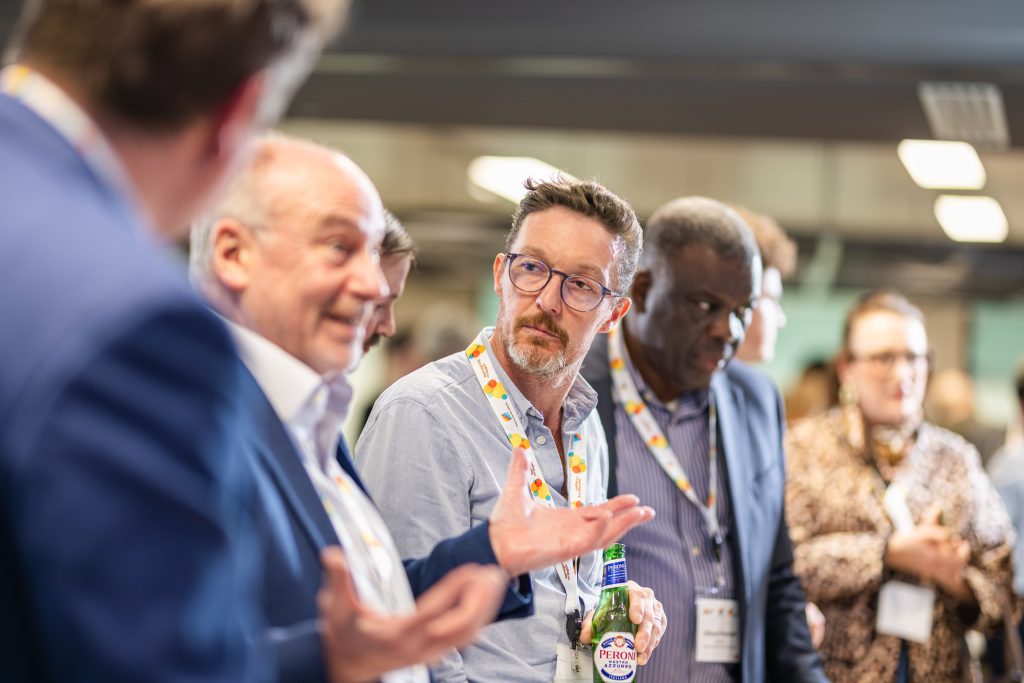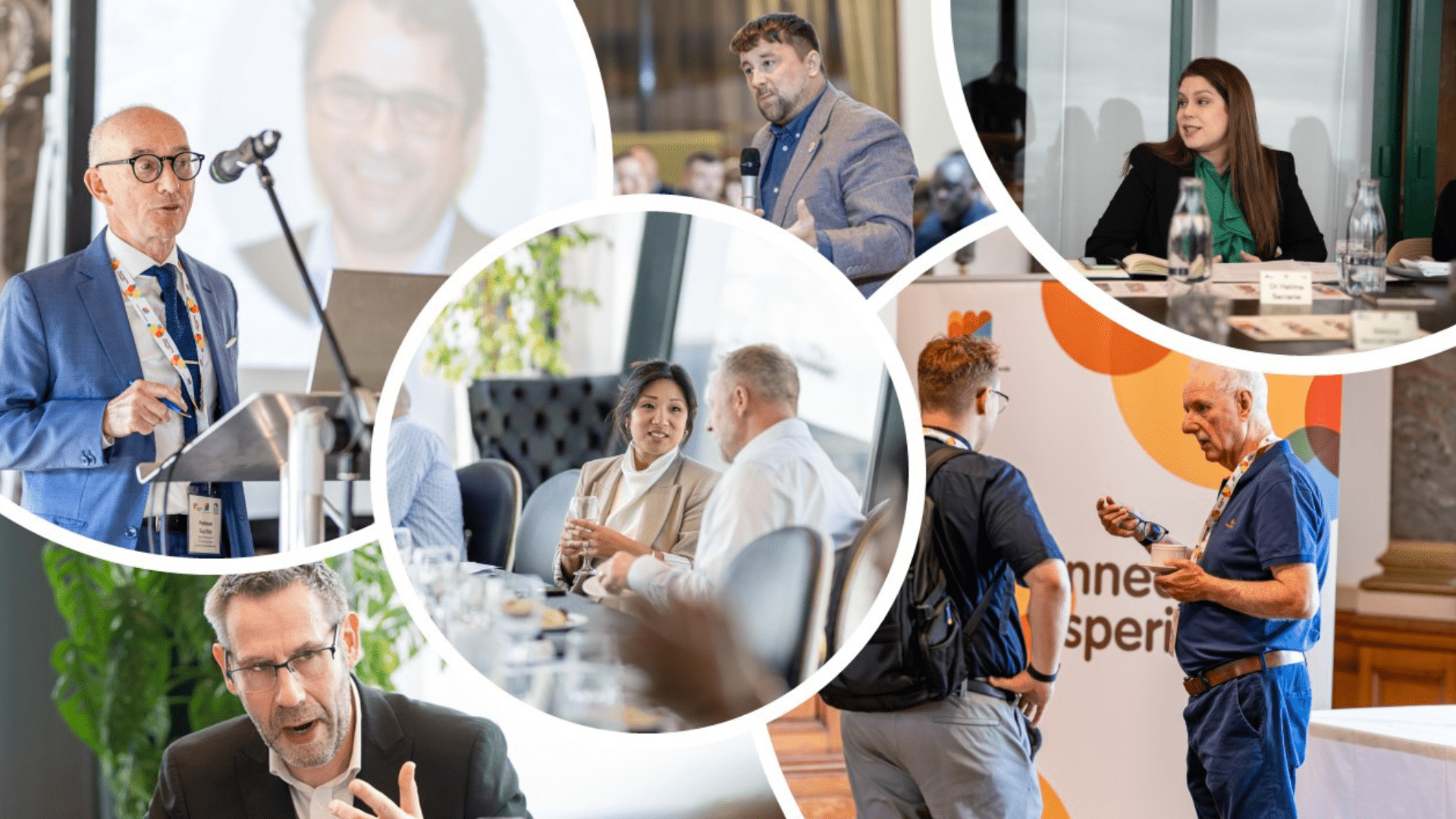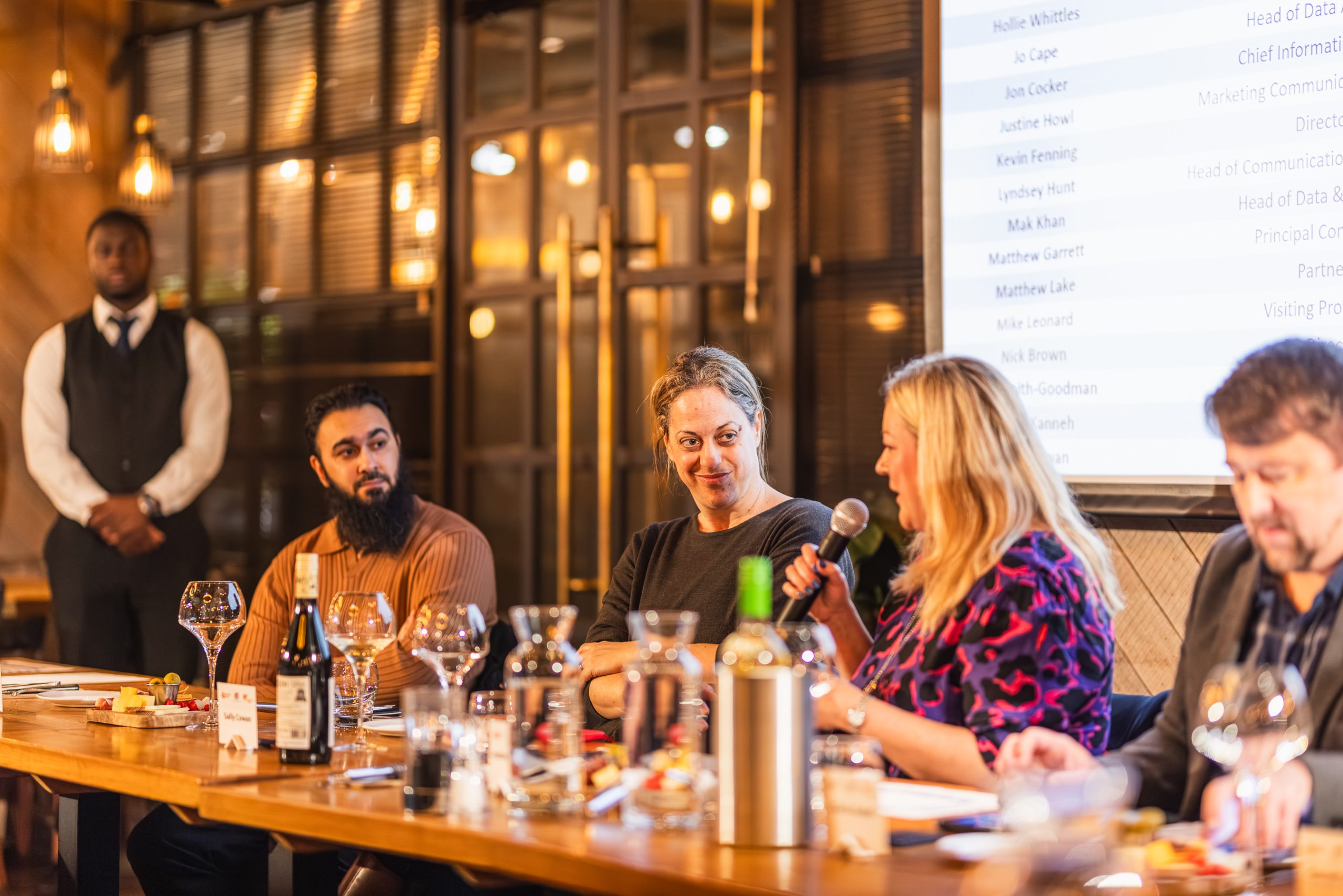
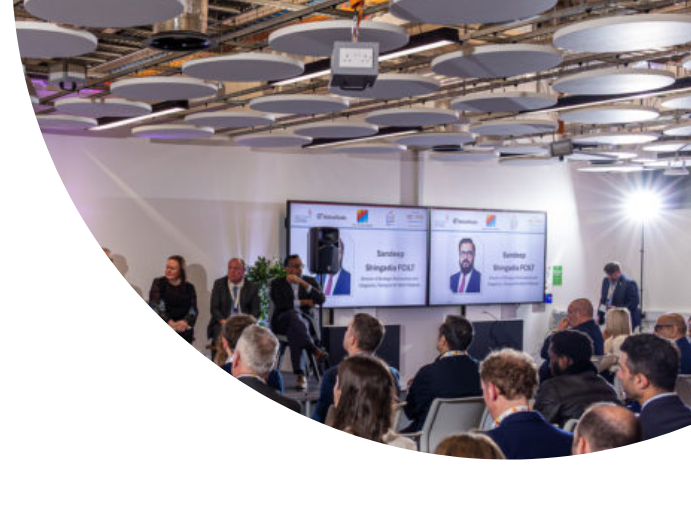
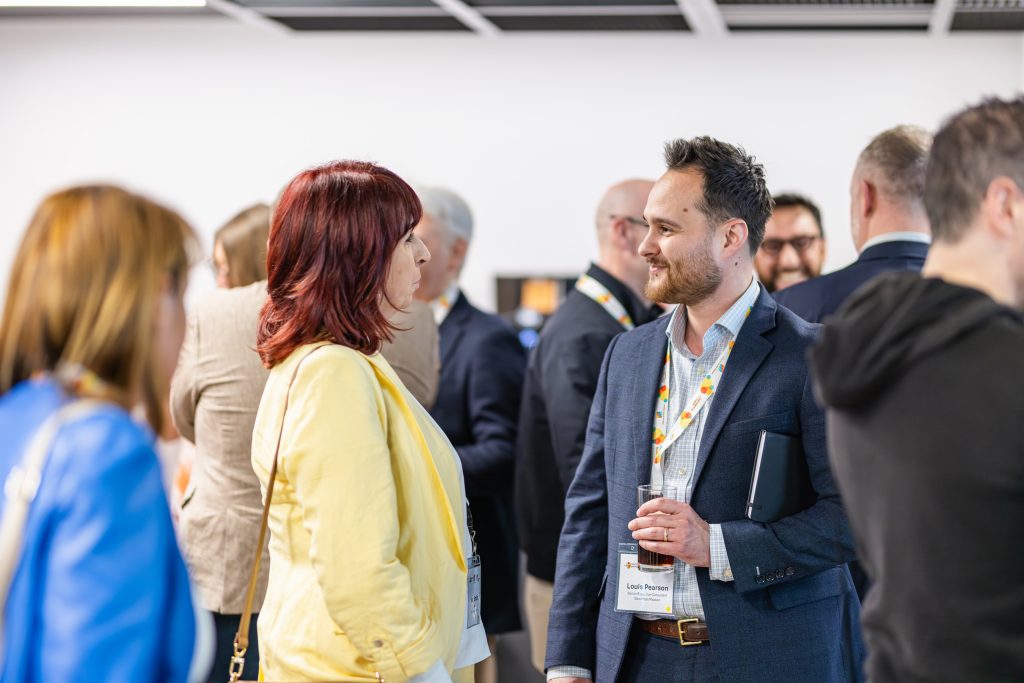
On Thursday evening, members of our Reimagining the Region network gathered high above Birmingham at the stunning 103 Colmore Row offices of Arcadis for a Spring Reception with a purposeful twist. Rather than a traditional networking event, this year’s reception invited delegates to roll up their sleeves, collaborate, and actively shape ideas that could help bring the newly launched West Midlands Growth Plan to life. The result was an evening defined by creativity, energy, and a shared commitment to the future of the region.
Around 60 delegates joined us for the session, representing a broad cross‑section of organisations, sectors, and professional backgrounds. Crucially, participants didn’t need to be designers, planners, or architects to contribute. The only requirement was lived experience—an understanding of what it means to live, work, travel, and build a life in the West Midlands. That diversity of perspective proved to be one of the event’s greatest strengths.
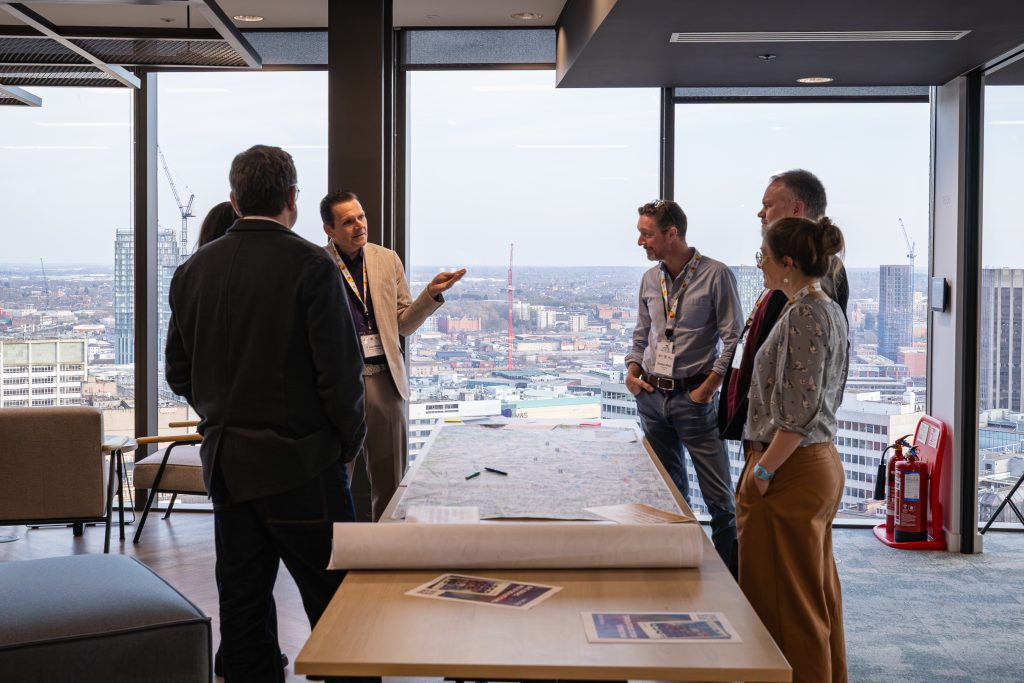
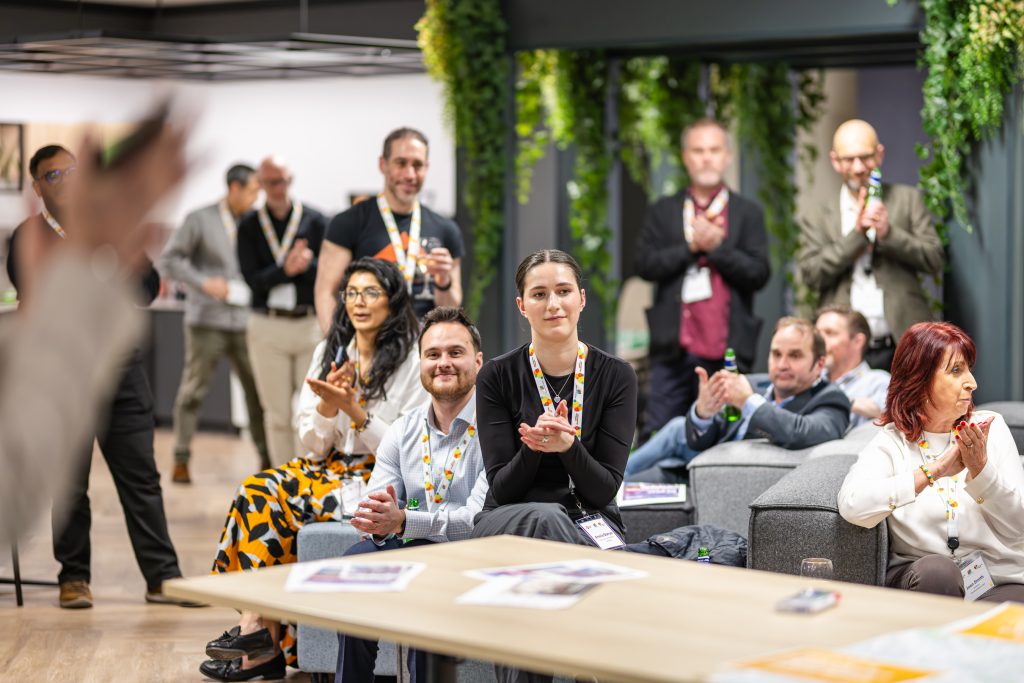
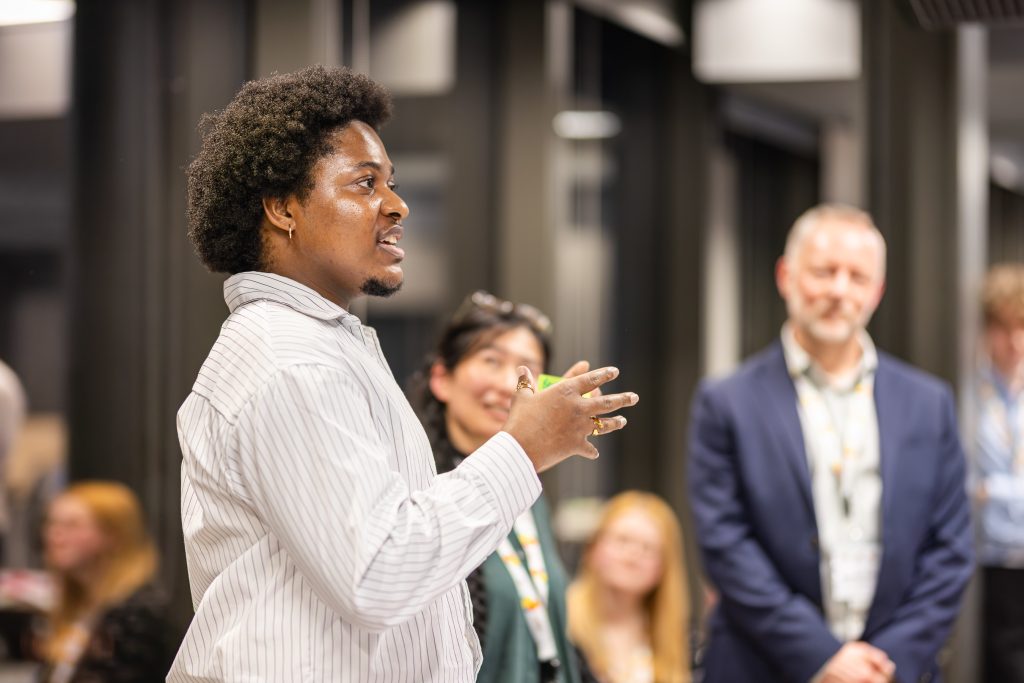
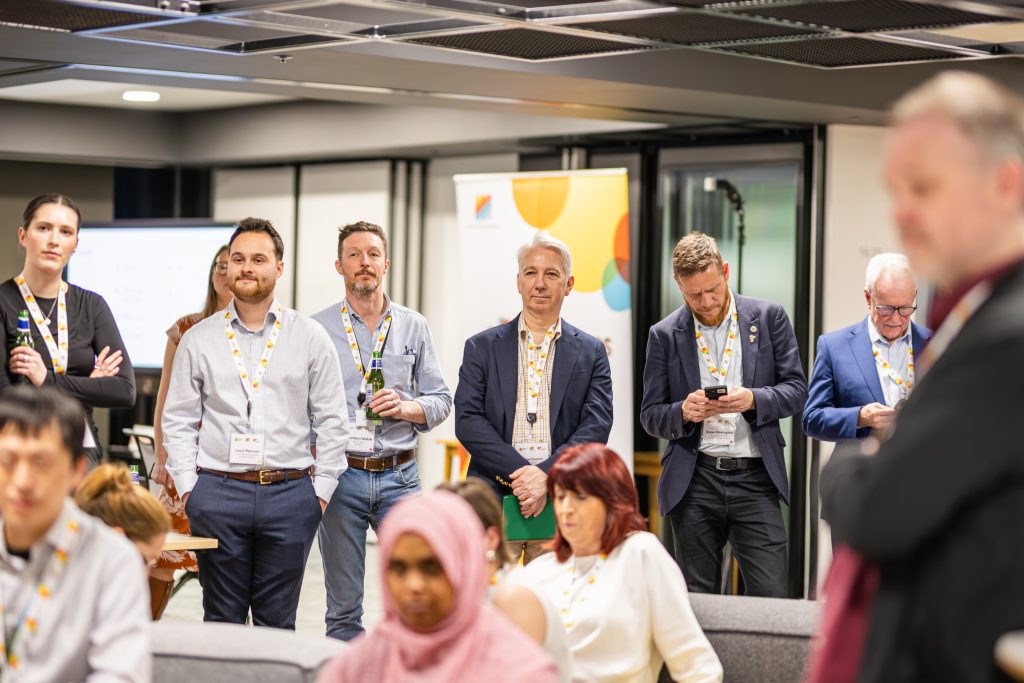
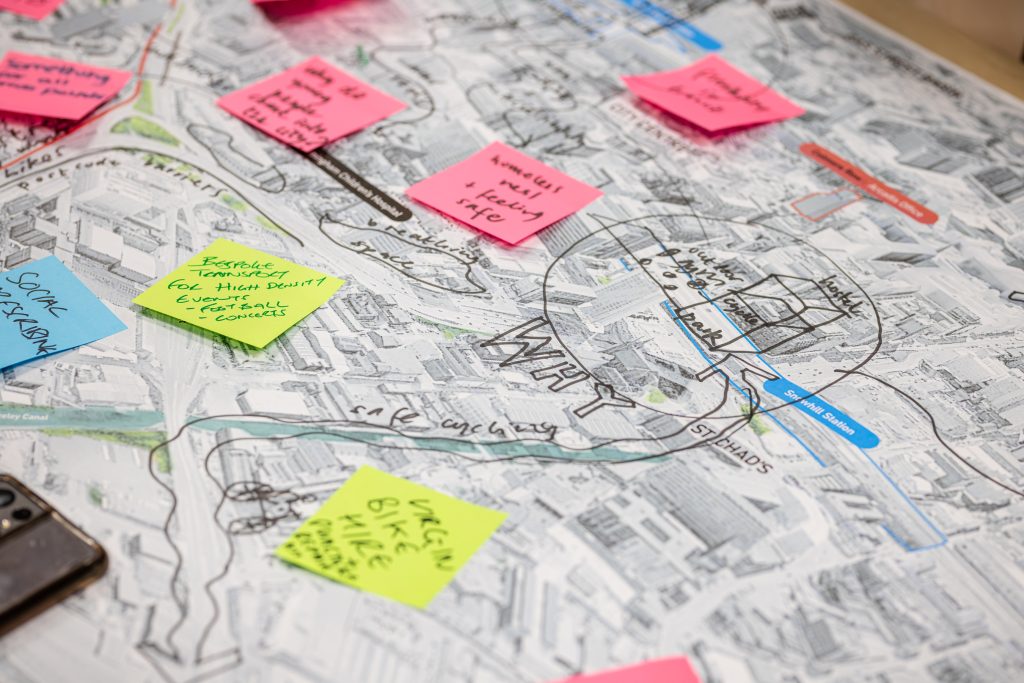
A Workshop with Purpose
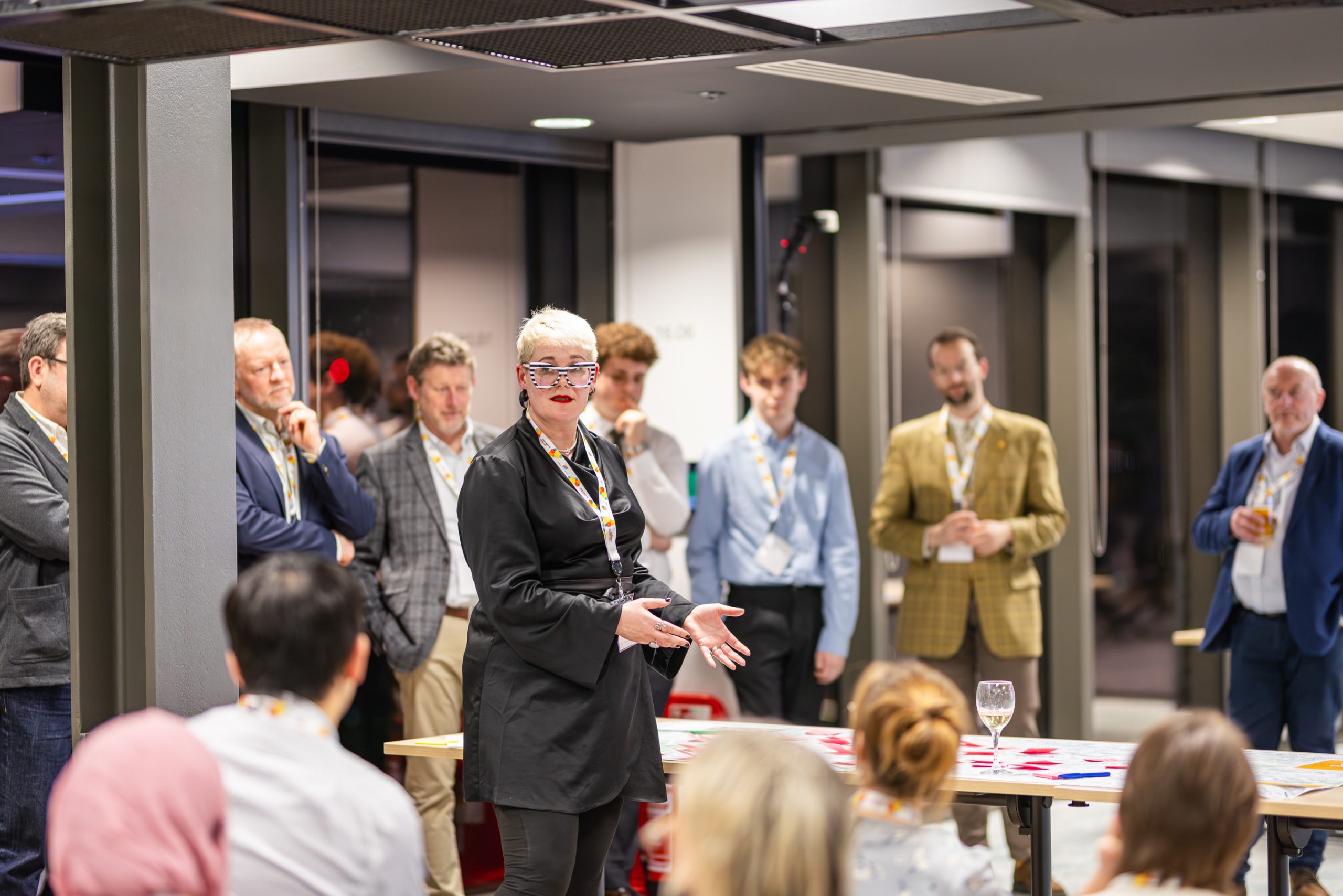
In partnership with the brilliant team at Arcadis, we structured the evening around a hands‑on workshop exploring the “art of the possible.”
Delegates were split into three groups, each tasked with tackling one of the region’s most pressing design‑led challenges:
- Transport‑oriented development
- Mixed‑use development
- High‑rise development
These themes were chosen not only because they sit at the heart of the West Midlands Growth Plan, but because they represent areas where design thinking can unlock new opportunities for growth, sustainability, and placemaking. Each group was supported by Arcadis specialists who helped guide discussions, frame the challenges, and encourage participants to think boldly about what the future could look like.
Exploring Transport‑Oriented Development
The first group explored how transport‑oriented development (TOD) could reshape the region’s connectivity and unlock new hubs of activity. With major infrastructure investments underway across the West Midlands, delegates considered how stations, interchanges, and transit corridors could become catalysts for regeneration rather than simply points on a map.
Ideas ranged from reimagining underused land around transport nodes to creating more seamless multimodal journeys that prioritise accessibility and sustainability. Participants also discussed the importance of designing public spaces that encourage people to dwell, interact, and feel safe—ensuring that TOD delivers not just movement, but meaningful placemaking.
Rethinking Mixed‑Use Development
The second group tackled mixed‑use development, a theme that sparked lively debate about how we create places that genuinely serve the needs of communities. Delegates reflected on the changing nature of work, the rise of flexible living, and the importance of blending residential, commercial, cultural, and green spaces in ways that feel authentic and human‑centred.
Discussions touched on the need for adaptable buildings, the role of ground‑floor activation in creating vibrant streets, and the importance of designing for inclusivity. Many participants emphasised that mixed‑use development must be more than a planning label—it should be a lived experience that supports wellbeing, social connection, and economic opportunity.
Imagining the Future of High‑Rise Development
The third group explored high‑rise development, a topic particularly relevant to Birmingham’s evolving skyline. Delegates considered how tall buildings can contribute positively to the city’s identity, sustainability goals, and housing needs, while avoiding the pitfalls of monolithic or disconnected design.
Ideas included integrating green infrastructure into vertical spaces, designing high‑rise buildings that foster community rather than isolation, and ensuring that tall structures contribute to the public realm at street level. Participants also discussed the importance of architectural ambition—how high‑rise development can signal confidence, attract investment, and help define the region’s future narrative.
A Room Full of Energy and Collaboration
What made the evening so successful was the atmosphere in the room. Delegates embraced the workshop format with enthusiasm, curiosity, and a willingness to challenge assumptions. Conversations flowed easily, with people from different sectors discovering shared priorities and fresh perspectives. The collaborative spirit was palpable, and the ideas generated across the three groups demonstrated just how much potential exists when diverse voices come together.
The workshop also highlighted the value of design thinking as a tool for regional development. By encouraging participants to think visually, spatially, and creatively, the session helped unlock new ways of approaching long‑standing challenges. It was a reminder that the future of the West Midlands will be shaped not only by policy and investment, but by imagination and collaboration.
A Huge Thank You
We extend our sincere thanks to Simon Marks, Darren Clarke, George Wade, Brandon Fey and the entire Arcadis team for their expertise, energy, and hospitality. Their support was instrumental in making the evening both insightful and enjoyable.
The view from the 18th floor of 103 Colmore Row was fitting for the workshop and there is something about being above the city that encourages people to think big.