

Housing leaders, policymakers, researchers, landlords and tenant representatives came together at Birmingham Council House this week for the Centre for the New Midlands’ latest housing policy event, exploring two of the biggest questions facing the private rented sector: how can we strengthen the tenant voice, and are rent controls the answer to improving affordability?
Sponsored by the Joseph Rowntree Foundation and the West Midlands Combined Authority, the event brought together a diverse panel of experts to examine the evidence behind one of the most pressing public policy challenges facing the region.
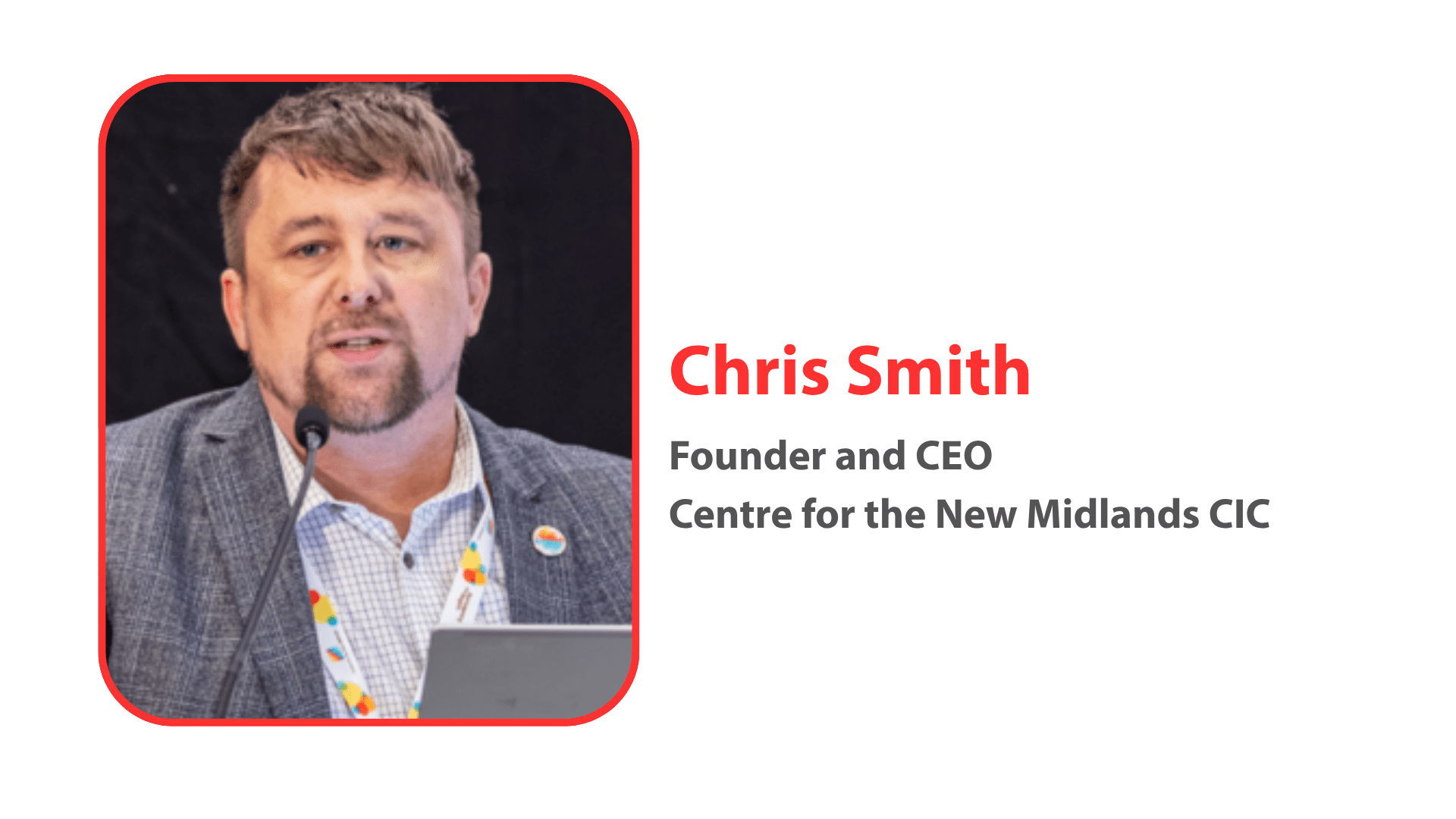
Opening the event, Chris Smith (Founder and CEO, Centre for the New Midlands) reiterated the Centre’s role as an independent think tank committed to creating space for evidence-led debate rather than advocating predetermined policy positions.

Putting tenants at the heart of housing policy
The morning’s first panel focused on raising the tenant voice, with speakers agreeing that housing policy must be shaped by the experiences of those living in rented homes. Discussions explored the growing importance of the Renters’ Rights Act, with panellists welcoming the abolition of Section 21 ‘no fault’ evictions as a significant step forward, while stressing that legislation alone will not improve outcomes. Instead, speakers argued that success will depend on effective enforcement, greater awareness of tenants’ rights, and meaningful engagement between renters, landlords and policymakers.
A particularly powerful moment came as TPAS England’s Kai Jackson shared her personal experience of being evicted while eight months pregnant after raising concerns about damp and mould. Her testimony highlighted the real-life consequences of poor housing standards and unequal power relationships within the private rented sector, reinforcing the need for stronger protections and greater tenant confidence to speak up.
Throughout the discussion, panellists emphasised that housing is about much more than bricks and mortar. Poor housing conditions were repeatedly linked to health inequalities, educational outcomes, economic opportunity and community wellbeing, with participants arguing that improving housing quality must be seen as a wider public policy priority.
The panel also highlighted the vital role of trusted community organisations in helping tenants understand their rights, influence decisions and ensure lived experience becomes a permanent part of policymaking rather than an afterthought.

Can rent controls improve affordability?
The second session tackled one of the most debated issues in housing policy: whether rent controls have a role to play in making the private rented sector more affordable.
Presenting new research from the Joseph Rowntree Foundation, Rosie Worsdale (Senior Policy Adviser at JRF) outlined evidence suggesting that many landlords continue to achieve healthy returns, while proposing a model of rent stabilisation combined with tax reforms to ease affordability pressures without undermining investment. The discussion prompted lively debate from across the room.
Tenant representatives described the growing impact of rising rents on people’s ability to save for a home, start families and remain within their communities, while landlord representatives highlighted increasing costs, regulatory uncertainty and concerns that further intervention could discourage investment and reduce housing supply. While opinions differed on rent controls themselves, there was broad agreement that affordability has become one of the defining challenges facing the housing sector and that increasing the supply of quality homes must remain a long-term priority. Audience questions expanded the conversation further, covering selective licensing, local authority enforcement, landlord responsibilities, tenant awareness of new rights and the practical challenges of implementing the Renters’ Rights Act.

A conversation that will continue
Although there was no single consensus on the role of rent controls, the event demonstrated strong agreement on several key issues.
Participants recognised the importance of stronger tenant voices, better housing standards, effective enforcement and evidence-led policymaking. There was also widespread recognition that housing policy cannot be separated from wider issues including health, economic growth, productivity and social mobility.
The discussion reflected exactly the type of debate the Centre for the New Midlands seeks to facilitate; bringing together different perspectives to test ideas, challenge assumptions and support better policymaking for the Midlands. As housing reform continues to climb the national agenda, the conversations held at Birmingham Council House made one thing clear: creating a fairer private rented sector will require collaboration, evidence and a willingness to tackle difficult policy questions together.

With special thanks to our guest speakers:
Panel 1: Tenant Voice
- Dr Halima Sacranie, Director of Housing Research, Centre for the New Midlands
- Rob McGrath, Programme Support Officer (Policy), West Midlands Combined Authority
- Kai Jackson, Special Membership Project Lead, Tpas England
- Max Rutherford, Director of Programmes and Influencing (Deputy CEO), People’s Health Trust
Panel 2: Rent Controls
- Leo Pollak, Director of Policy and Planning, West Midlands Combined Authority
- Kirsty Harrod, Campaigns and Partnerships Assistant, Renters’ Reform Coalition
- Rosie Worsdale, Senior Policy Adviser, Joseph Rowntree Foundation
- Tajinder Singh, Director, Carrington Thorn Property Management Ltd

Please visit the Joseph Rowntree Foundation’s website to learn more about their research focussed on ‘How tax reform would make rent controls feasible to deliver’.
Should you wish to learn more about the broader research conducted by the Centre for the New Midlands, please visit our research pages by clicking here.